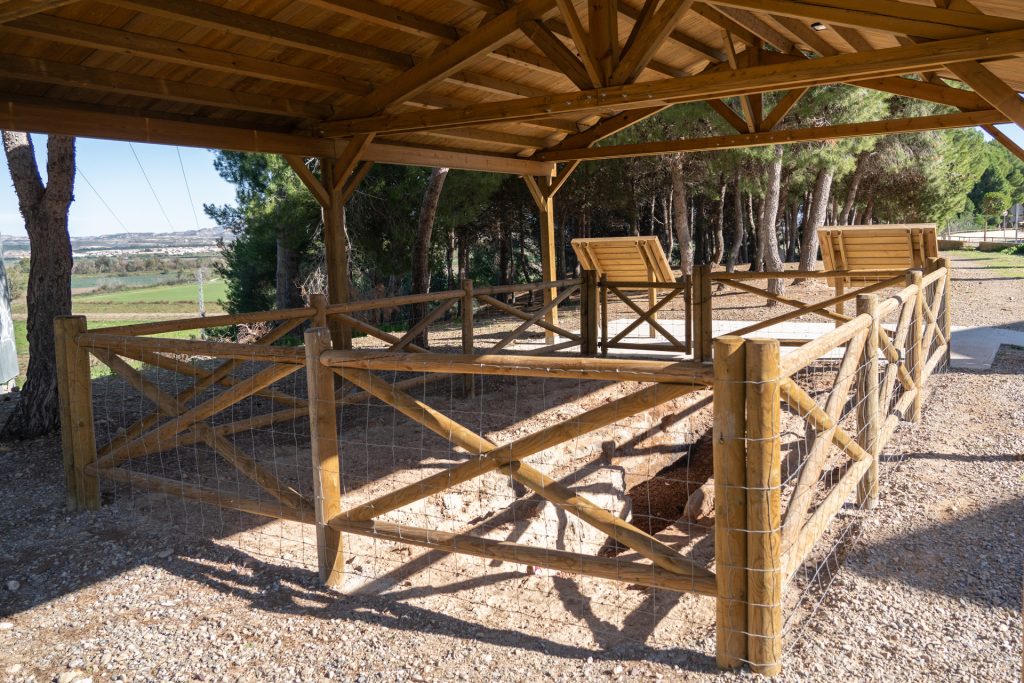
The history and heritage of the Ribera of Navarra explain the identity of a territory shaped by the River Ebro, the coexistence of cultures and centuries of social and economic transformation. Walking through the Ribera today means exploring a landscape where the past remains present in the architecture, traditions and daily life of its towns and villages.
This historical legacy makes the Ribera of Navarra a key destination for cultural tourism in Navarra, ideal for those seeking to understand the region beyond its landscapes and connect with its authentic essence.
A millenary legacy in the Ribera of Navarra
The Ribera of Navarra has a rich and diverse history that dates back to Roman times and reached key moments during the Middle Ages and the Early Modern period. Its strategic location along the Ebro encouraged agricultural, commercial and urban development, turning the Ribera into a meeting place for cultures and civilisations.
Tudela stands out as one of the great historical references of the region, known as the city of the three cultures — Jewish, Muslim and Christian. Alongside it, towns such as Corella, Fitero, Cascante, Cintruénigo and Ablitas, as well as villages of the Ribera Alta such as Villafranca, Marcilla, Peralta and Falces, preserve an important historical legacy reflecting the evolution of the territory through the centuries.

Artistic and architectural heritage
The heritage of the Ribera of Navarra is expressed through a wide variety of monuments and architectural styles spread across the region. Churches, monasteries, castles, palaces and civil architecture coexist in towns and cities, forming a diverse, accessible and representative heritage ensemble from different historical periods.
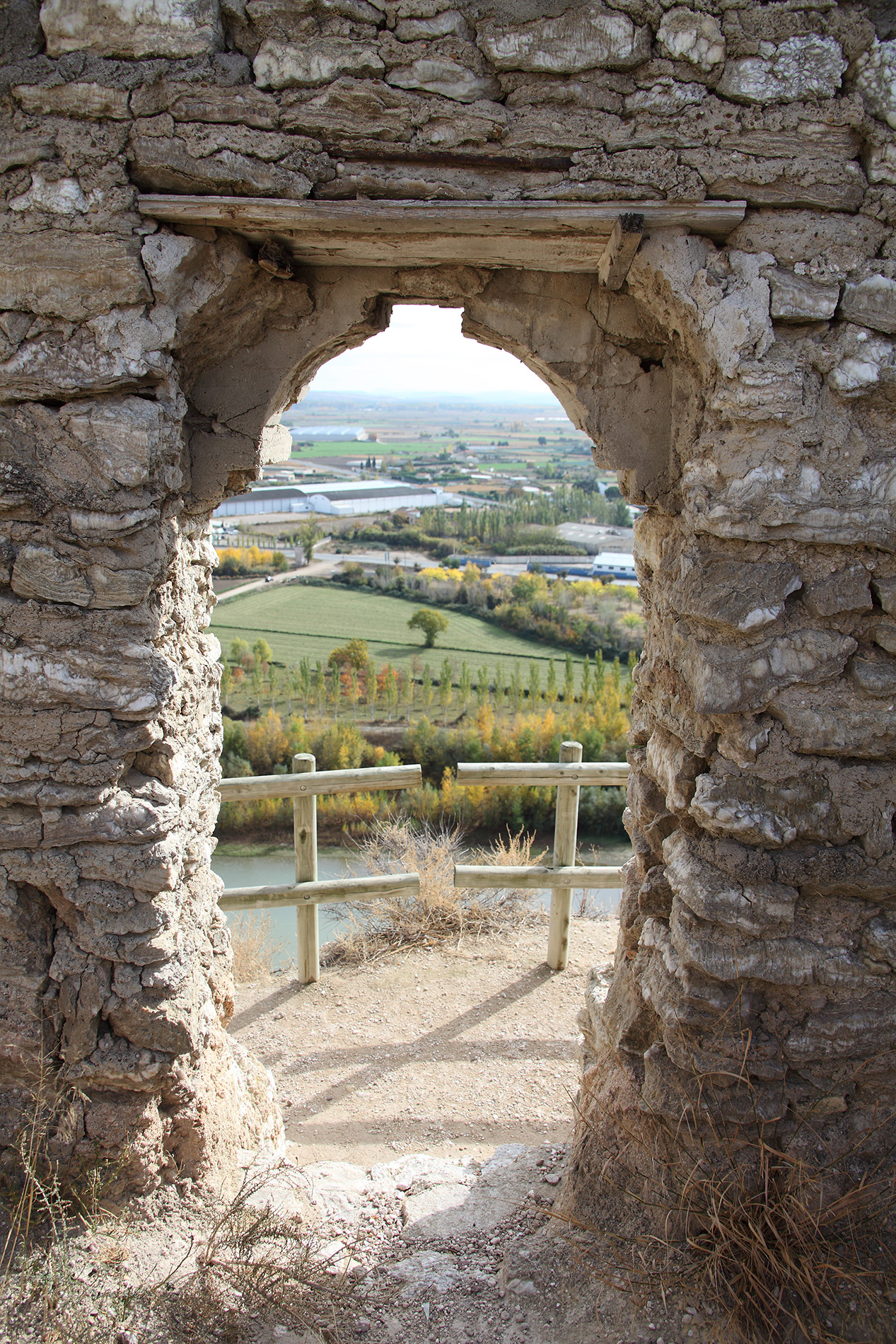
Among the most remarkable sites are monasteries such as Fitero and Tulebras, the Baroque heritage found in towns such as Corella and Villafranca, medieval churches across different municipalities, castles such as Marcilla Castle and numerous examples of civil and vernacular architecture that shape the urban and rural landscape of the Ribera.
Living traditions and culture
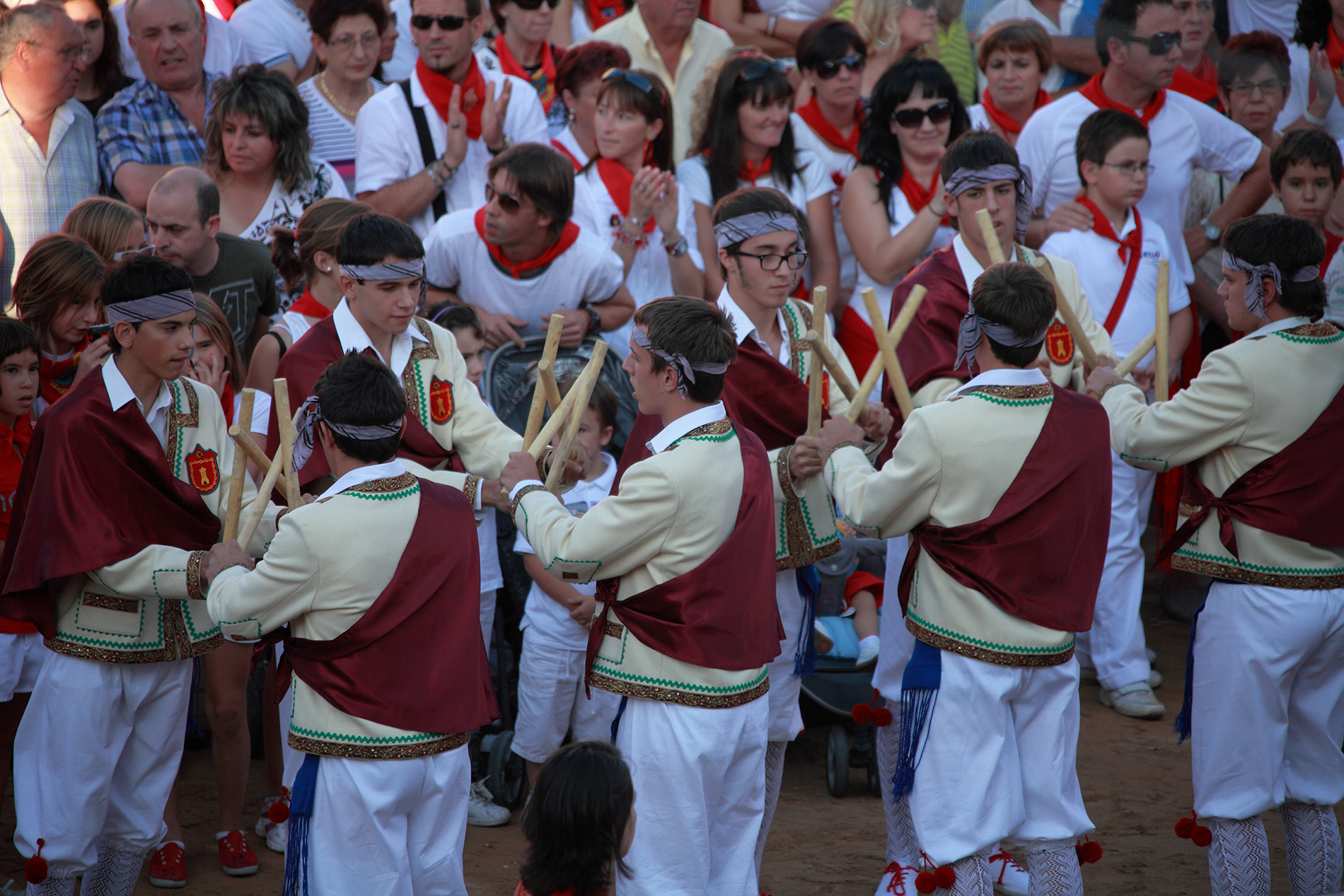
The history of the Ribera of Navarra is not only preserved in its buildings, but also in its traditions. Popular festivals, local celebrations, gastronomy linked to the agricultural past and distinctive cultural expressions form part of a living culture that continues to be passed down from generation to generation.
These traditions reflect a way of life connected to the land, the river and the community, where the past continues to influence the way people celebrate, cook and relate to one another.
Cultural routes and experiences in the Ribera
The historical heritage of the Ribera of Navarra can be discovered through cultural routes, guided tours and interpretive experiences that help visitors better understand the territory. Urban itineraries, routes through historic centres, museums and natural spaces with historical value offer an active and close-up way of engaging with history.
From visits to religious and architectural heritage to experiences combining history, landscape and tradition, the Ribera offers many ways to explore its cultural legacy in depth.

A territory where past and present coexist
The history and heritage of the Ribera of Navarra belong not only to the past. They continue to shape the present and contribute to building the future of the region, influencing its identity, landscape and way of life.
Exploring the Ribera through its heritage means understanding a territory that has preserved its memory while continuing to evolve, inviting visitors to discover it with a deeper and more conscious perspective.
Discover
Preguntas frecuentes sobre historia y patrimonio en la Ribera de Navarra
Which towns in the Ribera of Navarra have the richest historical heritage?
Tudela, Corella, Fitero, Cascante, Cintruénigo and Ablitas stand out for their heritage richness, together with towns in the Ribera Alta such as Villafranca, Marcilla, Peralta and Falces.
Which monuments should not be missed in the Ribera of Navarra?
Monasteries such as Fitero and Tulebras, the historic heritage of Tudela, Baroque architecture across different towns, medieval churches, castles and civil architecture throughout the territory.
What is the history of Tudela and why is it important in the Ribera?
Tudela was an important medieval centre and is known as the city of the three cultures, playing a key role in the history and development of the region.
Which traditional festivals reflect the history of the Ribera?
Local popular festivals, religious celebrations and events linked to the agricultural calendar keep the historical tradition of the Ribera alive.
Where can I take cultural routes or guided tours?
Different towns across the Ribera of Navarra offer heritage routes, guided tours and cultural experiences available through the official tourism website.