
Culture in the Ribera of Navarra is the result of centuries of history, coexistence and artistic creation.
Located as a land of passage and a frontier, the Ribera has been a meeting point between civilisations, leaving a diverse cultural legacy that is reflected today in its architectural heritage, traditions, and urban and rural landscapes.
From the Roman legacy to medieval, Renaissance and Baroque architecture, as well as Arab and Jewish influences, the Ribera offers a cultural journey that connects past and present. A territory where the heritage of the Ribera of Navarra is not only preserved, but also interpreted and experienced.
A territory shaped by centuries of history
The history of the Ribera of Navarra has been built over different periods that have defined its cultural identity. Roman remains, medieval layouts, Renaissance palaces and a remarkable development of Navarrese Baroque form a historical landscape that can be recognised in towns and cities across the region.
The historical coexistence of Christian, Muslim and Jewish cultures — especially visible in places such as Tudela — has left a unique mark on architecture, urban planning and local traditions. This legacy makes the Ribera a key area for understanding the cultural history of southern Navarra.

Essential Monuments and Heritage
The art and heritage of Navarra find in the Ribera one of their most diverse expressions. The region preserves monasteries, palaces, castles, churches and historic urban spaces that allow visitors to explore different artistic styles and historical periods.
Highlights include:
- Monasteries and religious complexes of great historical value
- Renaissance and Baroque palaces linked to urban development
- Civil and religious Baroque architecture
- Historic centres that retain their original layout
This accessible heritage allows visitors to immerse themselves in the history of the region through cultural routes and urban itineraries.
Castles and fortifications: the defensive Ribera
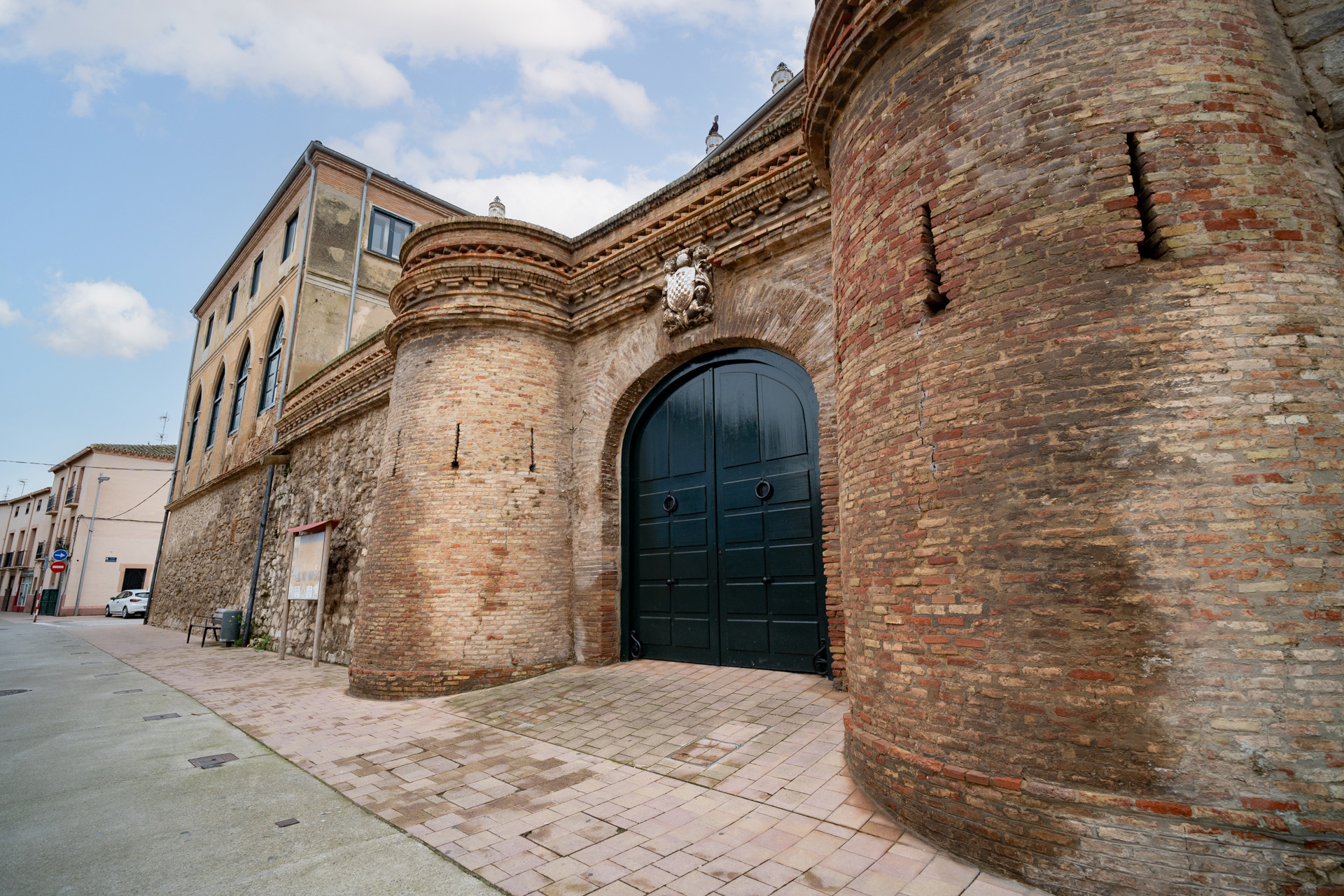
The strategic position of the Ribera explains the presence of castles, walls, defensive towers and fortified enclosures. These structures were part of the defence of the territory and the control of commercial and river routes.
Castles, remains of fortifications and defensive structures are spread throughout the Ribera of Navarra, offering a historical reading of the region as a frontier and transit space. Today, many of these elements form part of cultural routes and experiences that combine history and landscape.
Churches and religious heritage: spirituality and art
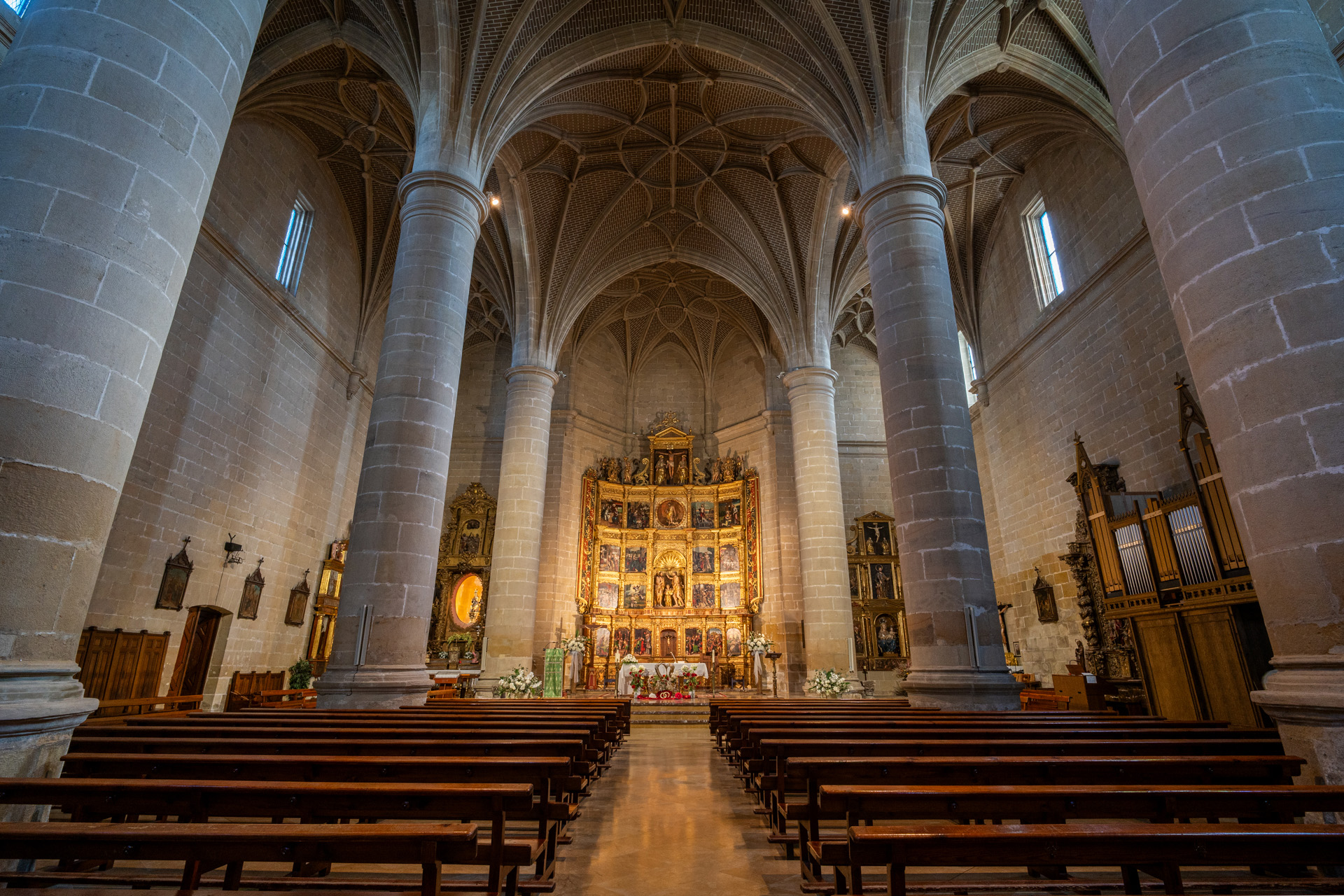
Religious heritage is one of the cultural pillars of the Ribera of Navarra. Churches, chapels, cathedrals and monasteries reflect centuries of spirituality and artistic creation, with outstanding examples of Navarrese Romanesque, Gothic and Baroque styles.
These buildings preserve altarpieces, sculptures and architectural elements of great value, integrated into the daily life of local communities. Visiting this heritage helps to understand the importance of sacred art in shaping the cultural identity of the region.
Virtual Heritage: new ways to experience heritage
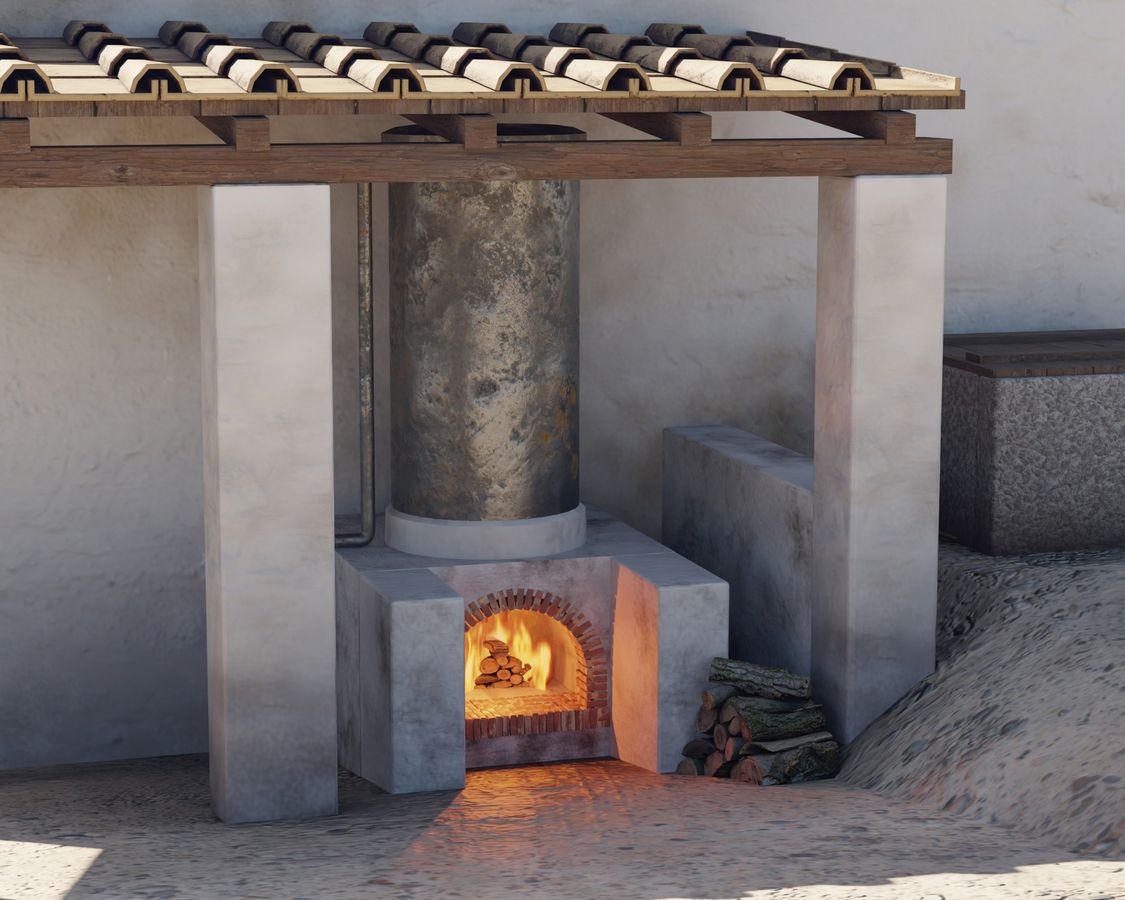
The virtual heritage of the Ribera of Navarra offers a complementary way to discover its cultural richness. Through digital resources, reconstructions and interpretive content, it is possible to explore archaeological sites, chapels, castles, historic wineries and heritage spaces from a different perspective.
These resources help to contextualise heritage, facilitate understanding and prepare or complement an in-person visit, enhancing the cultural dissemination of the region in an accessible and educational way.
Contemporary culture: tradition inspiring the future
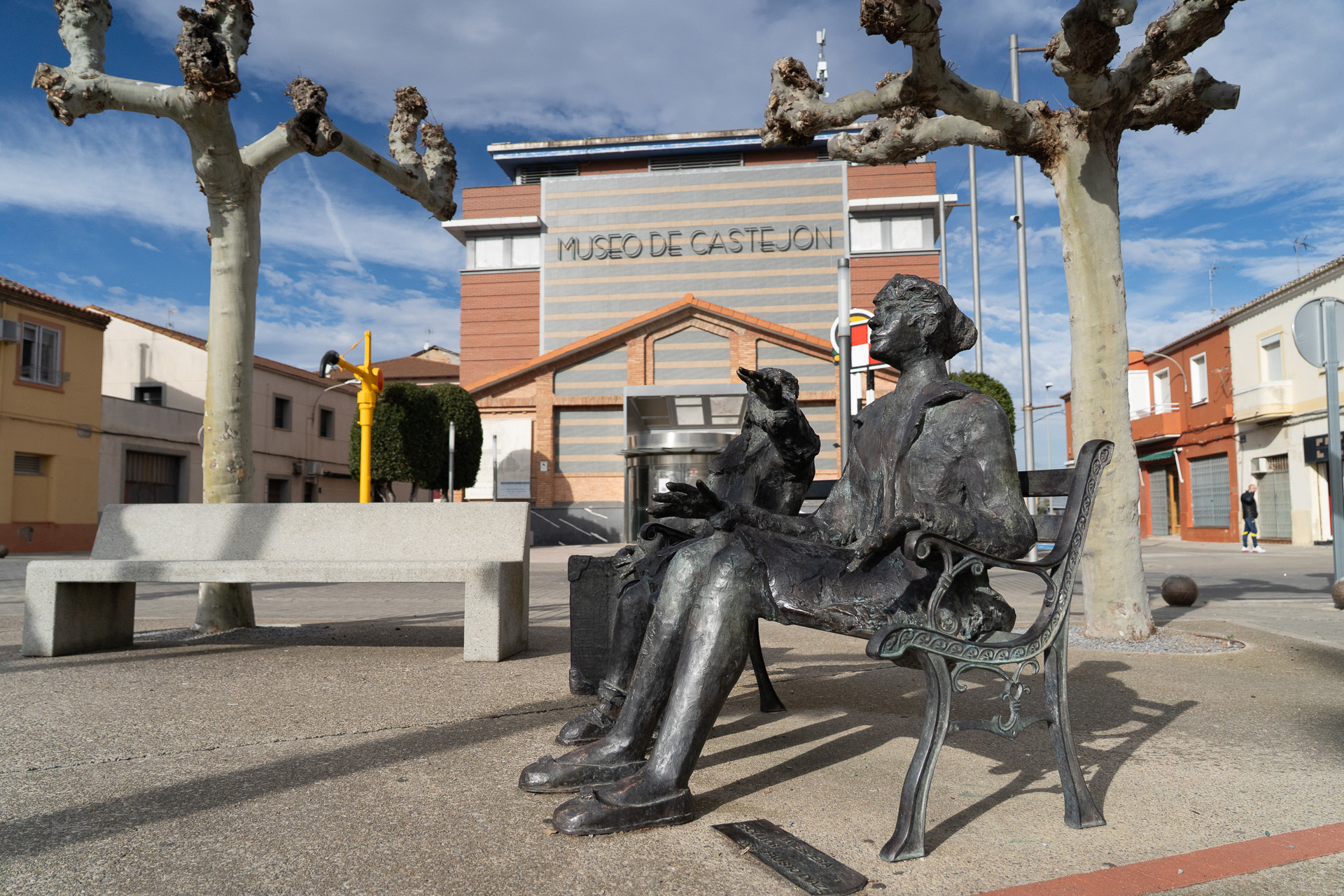
The culture of the Ribera of Navarra is not limited to the past. The reinterpretation of heritage, the dialogue between tradition and innovation, and contemporary artistic creation connect history with the present.
Contemporary cultural projects draw inspiration from historical legacy, landscape and local identity, showing that the Ribera of Navarra is a culturally vibrant territory in constant evolution.

The Ribera of Navarra, a cultural journey to be discovered
The Ribera of Navarra is an open book where every town, street and building holds a chapter of history. A territory that invites visitors to explore centuries of art, architecture and cultural coexistence, and to discover how its identity remains present in every corner.
Discover
Frequently asked questions about culture in the Ribera of Navarra
What cultural sites should you visit in the Ribera of Navarra?
Historic centres, monasteries, churches, castles, palaces and heritage sites throughout the region.
Which castles and monuments are essential?
Castles, defensive towers, Renaissance palaces and Baroque ensembles.
Where can I see Romanesque or Baroque art in the Ribera?
In churches, monasteries and historic buildings in towns such as Corella and Villafranca (Baroque) or Fitero and Tulebras (monasteries).
What is the cultural history of the Ribera of Navarra?
A territory shaped by the coexistence of cultures and historical evolution from Roman times to the present day.
Where can I find information about heritage and guided tours?
In the specific sections on culture, heritage and cultural routes on the website.