Ablitas
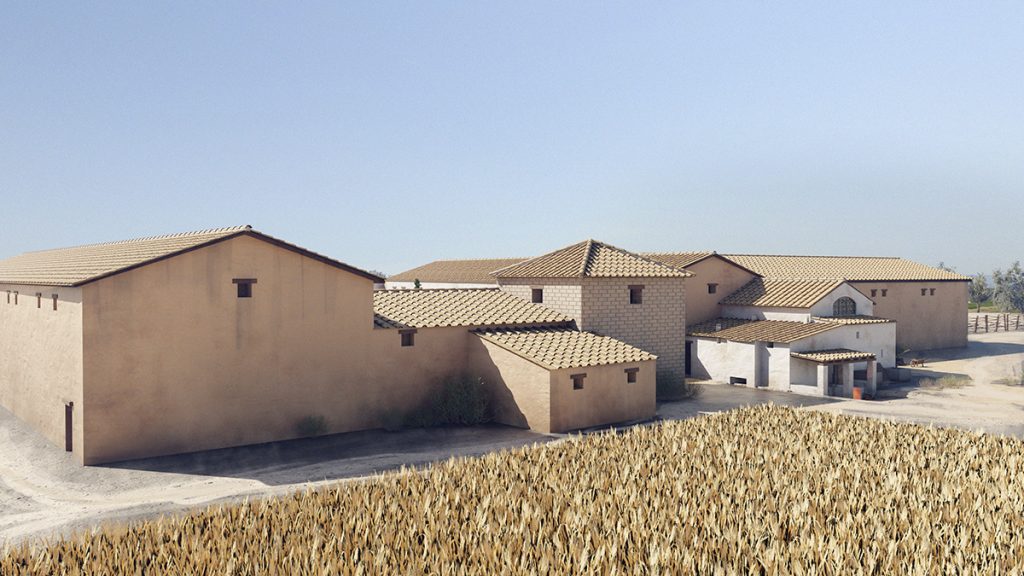
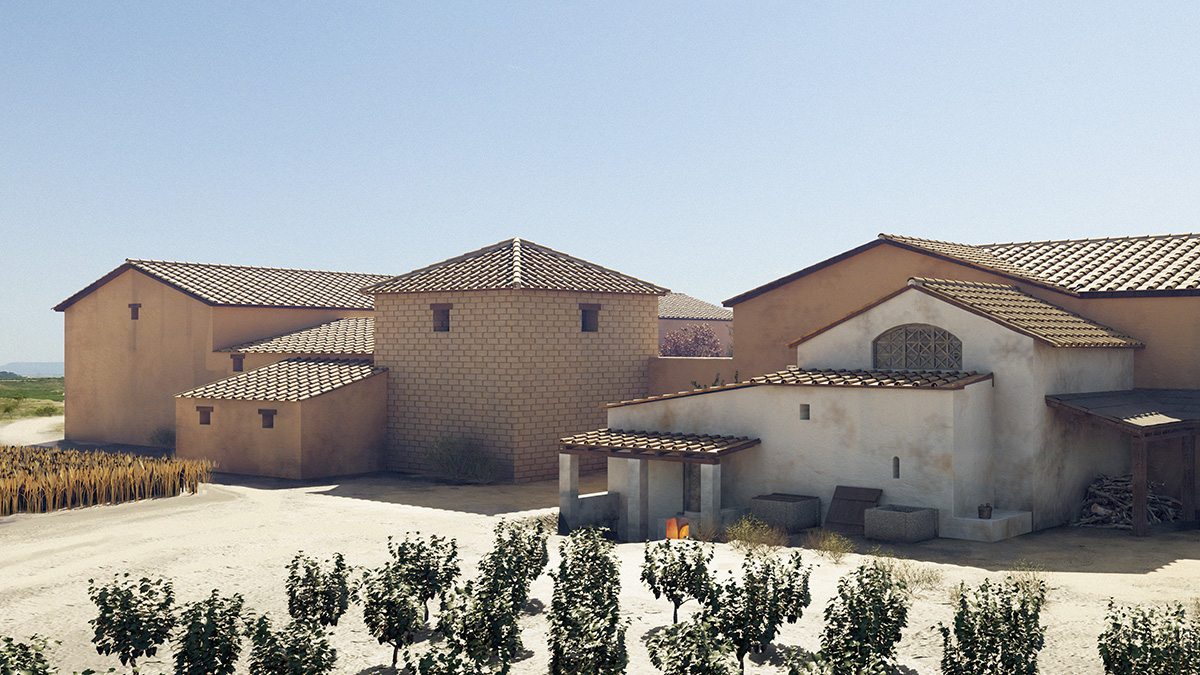
The Roman villa of El Villar
This is the starting point for exploring the Roman villa of El Villar, a rural complex that combined agricultural areas with luxurious residential quarters. Here you can discover how a Roman villa was organized and functioned.
Admire its mosaic, private baths, and the remains of rooms where comfort and social prestige played a central role. Digital reconstructions guide you on this journey into the past, illustrating how Roman engineering transformed the environment.
Tudela
The hill of Santa Bárbara
The Hill of Santa Bárbara is the best vantage point for understanding the history of Tudela, continuously inhabited for over 3,000 years. This site reflects the city’s evolution from the Iron Age to the present day.
Virtual reconstructions bring to life the Andalusi fortress, the medieval Christian castle, and the remains of dwellings that shaped the daily life of diverse communities. An immersive experience that reveals why this hill was truly the heart of the city.
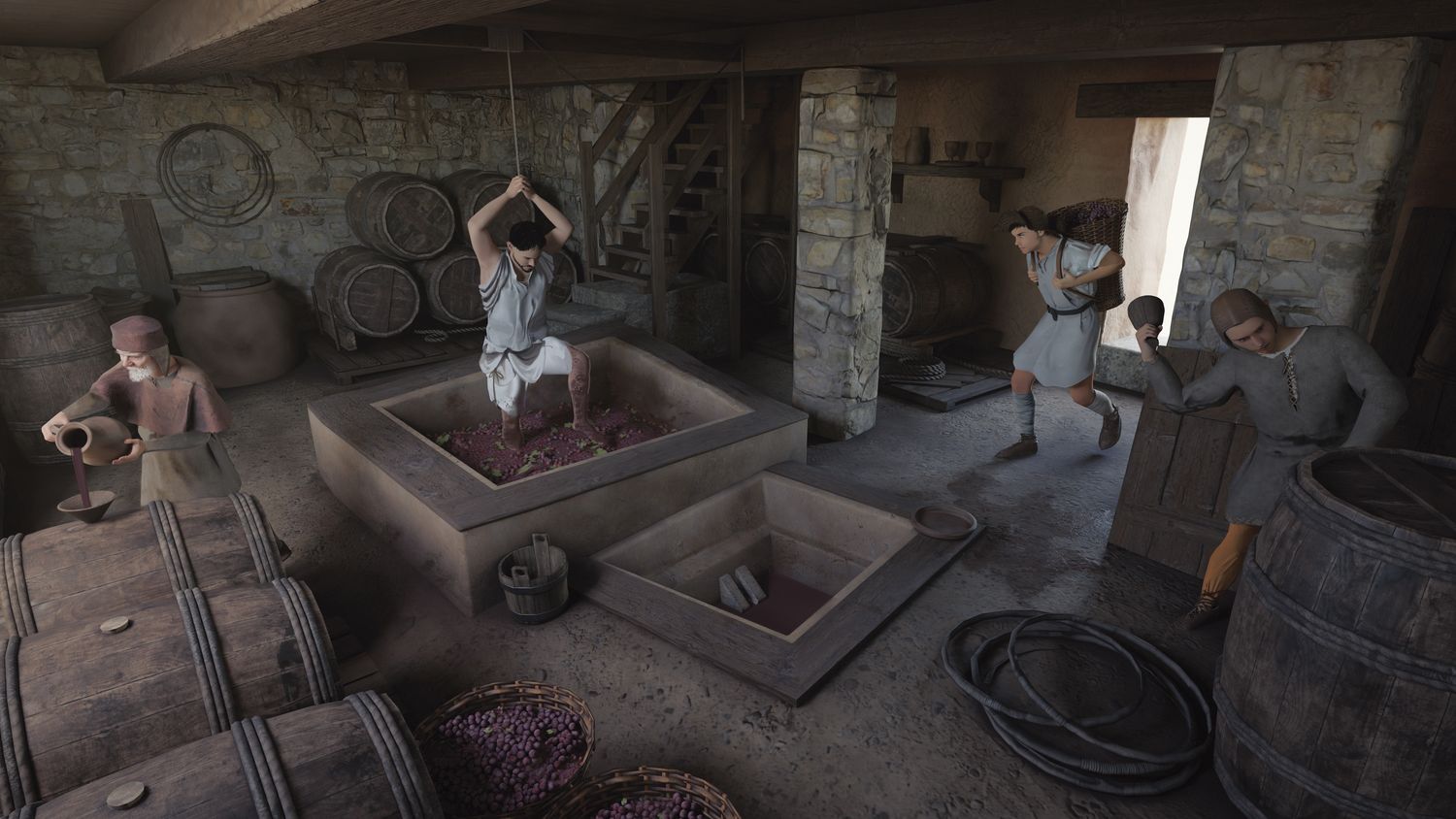
You can also explore up close the winemaking process in one of the most unique wine presses in the region.
Virtual Resources
Ribaforada
The archaeological site of San Gregorio
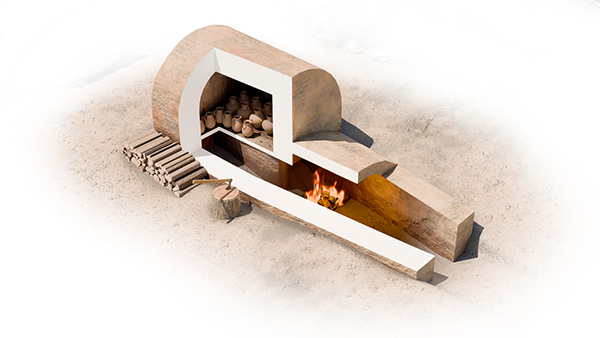
At San Gregorio, visitors enter a unique site in Navarra: a Roman pottery workshop from the 1st century AD where everyday ceramics were produced. This space offers a glimpse into the world of clay, fire, and rural life in Roman times.
Through virtual reconstructions, you can discover the kilns, heating systems, and the remains of a working environment that endured for centuries—brought to life with vivid images that transport you back in time.
Virtual Resources
Cascante
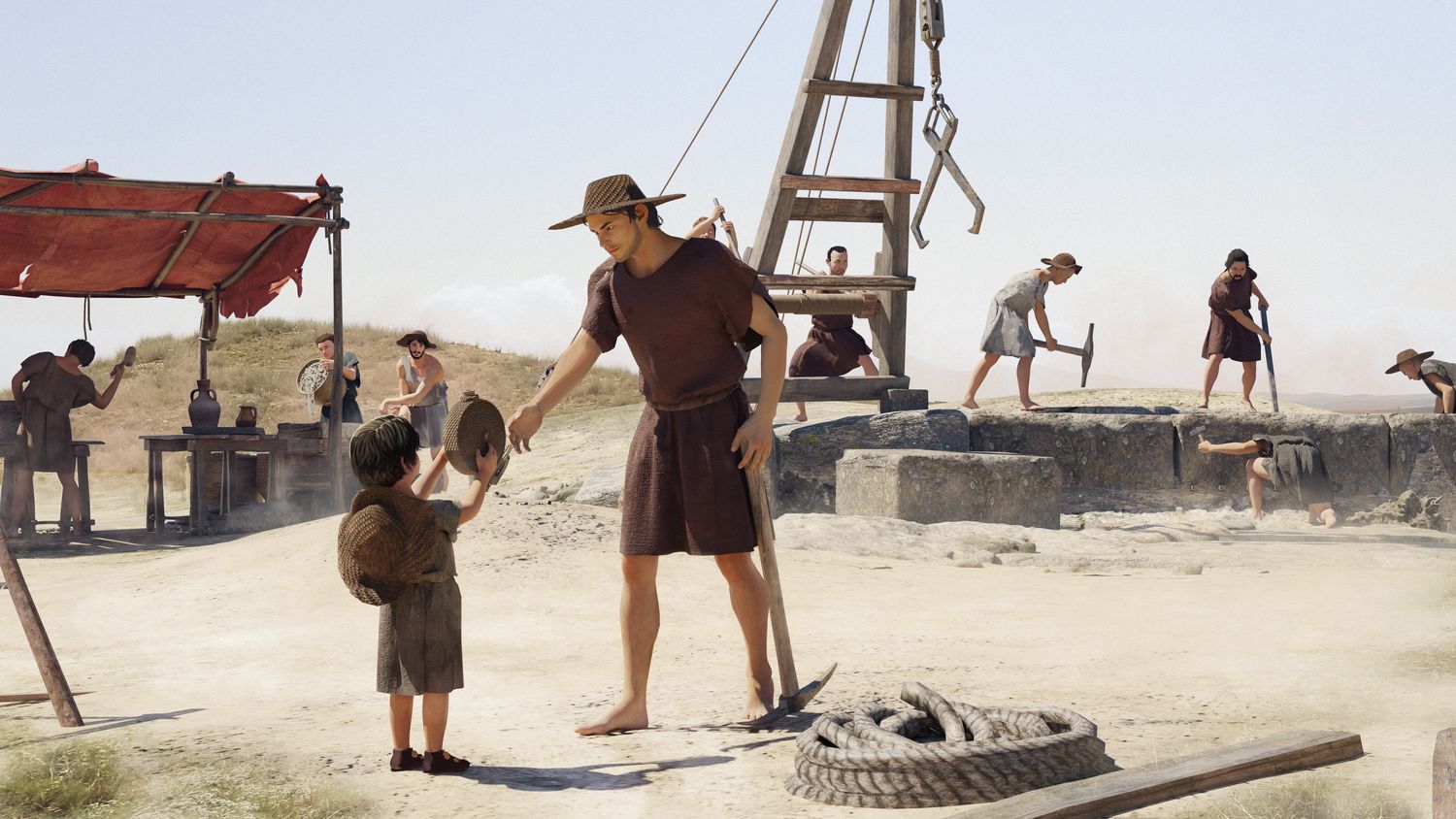
The Roman quarries
In Cascante lie the quarries that supplied stone for the construction of the Roman city of Cascantum and its rural villas. A landscape shaped by human hands, where every cut in the rock tells the story of the stonemasons’ craft.
Here you can learn about the tools and techniques they used. Digital reconstructions reveal the processes of extraction, block transport, and their use in monumental architecture. These resources make it easier to understand how the quarries transformed both the landscape and the history of the Ribera.
Virtual Resources
Falces
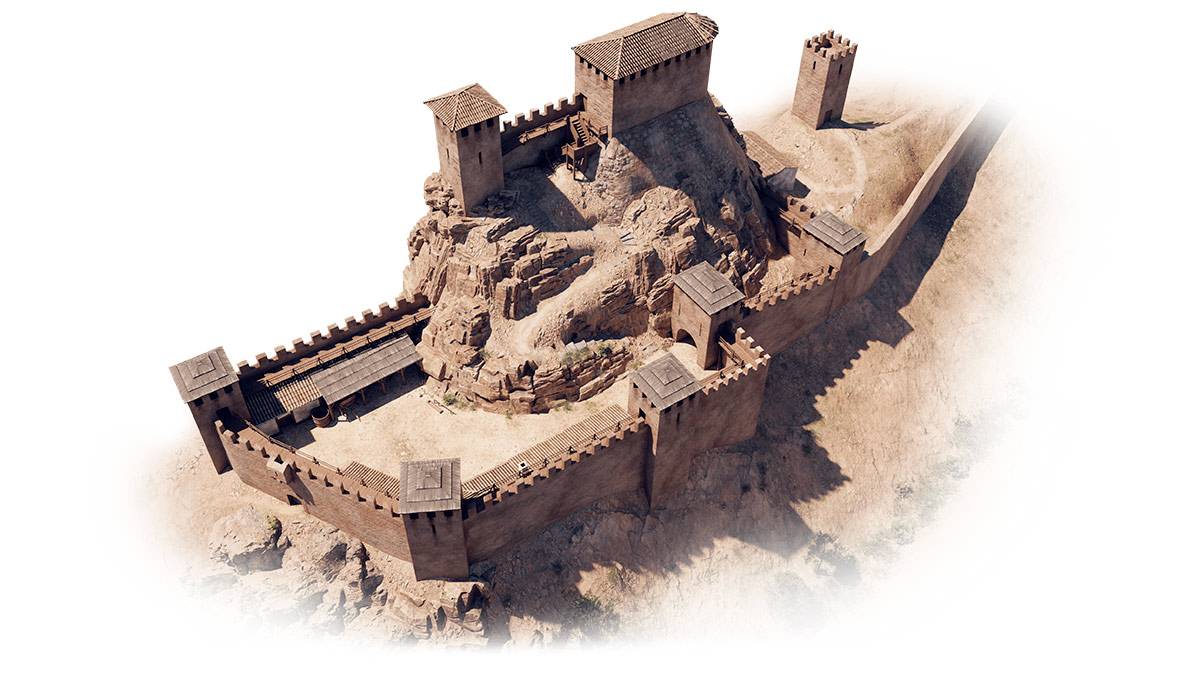
Castle of the Moors and Roman Villa of San Esteban
In Falces you will discover two key sites for understanding the history of the territory. The Castle of the Moors allows you to explore a border fortress that dominated the valley, with its walls, keep, and defensive systems adapted to the terrain.
The Roman Villa of San Esteban brings you closer to Roman wine production, showing the entire process from grape treading to fermentation in presses and underground cellars. An experience that combines medieval military architecture and Roman daily life.
Funes
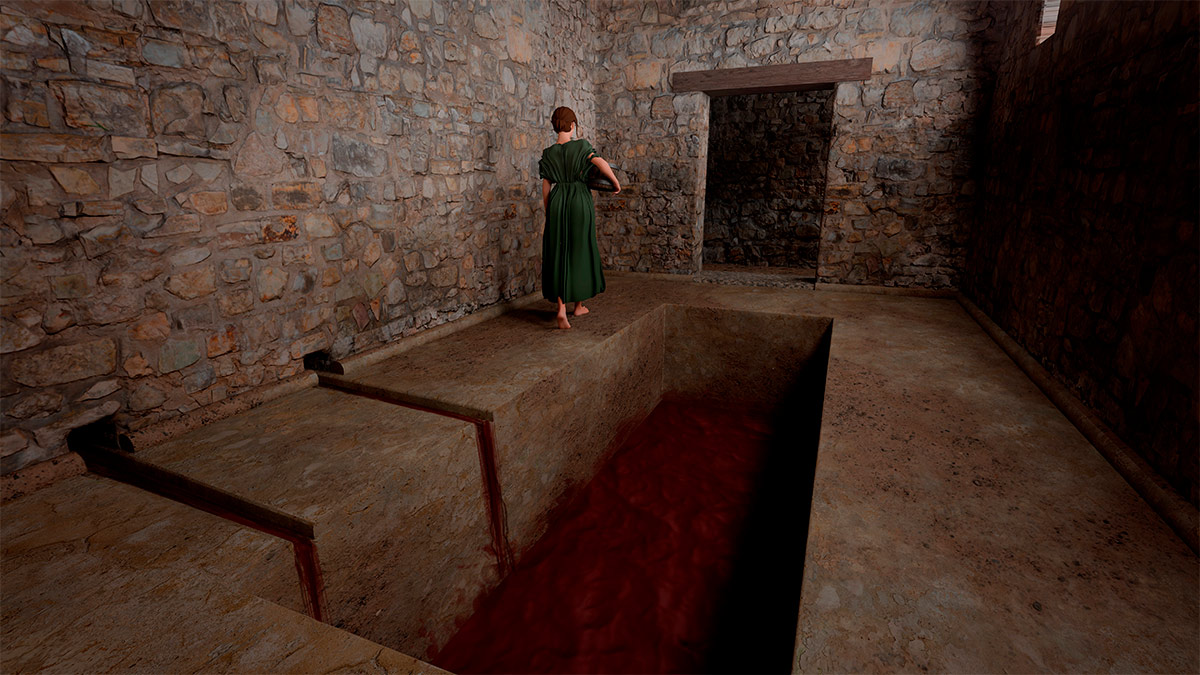
Roman Winery of Funes
At this site, you will discover a Roman wine-producing facility designed for large-scale production. The winery of Funes stands out for its symmetrical layout and the presence of several presses and treading surfaces, intended to generate surpluses for trade.
Digital reconstructions show how the presses functioned, the drainage channels, and the waterproof linings that ensured the quality of the process. They also help explain why proximity to the Ebro River was crucial for wine transport.
An experience that helps visitors understand Roman engineering applied to agriculture and the economic importance of wine in the Roman world.
Peralta
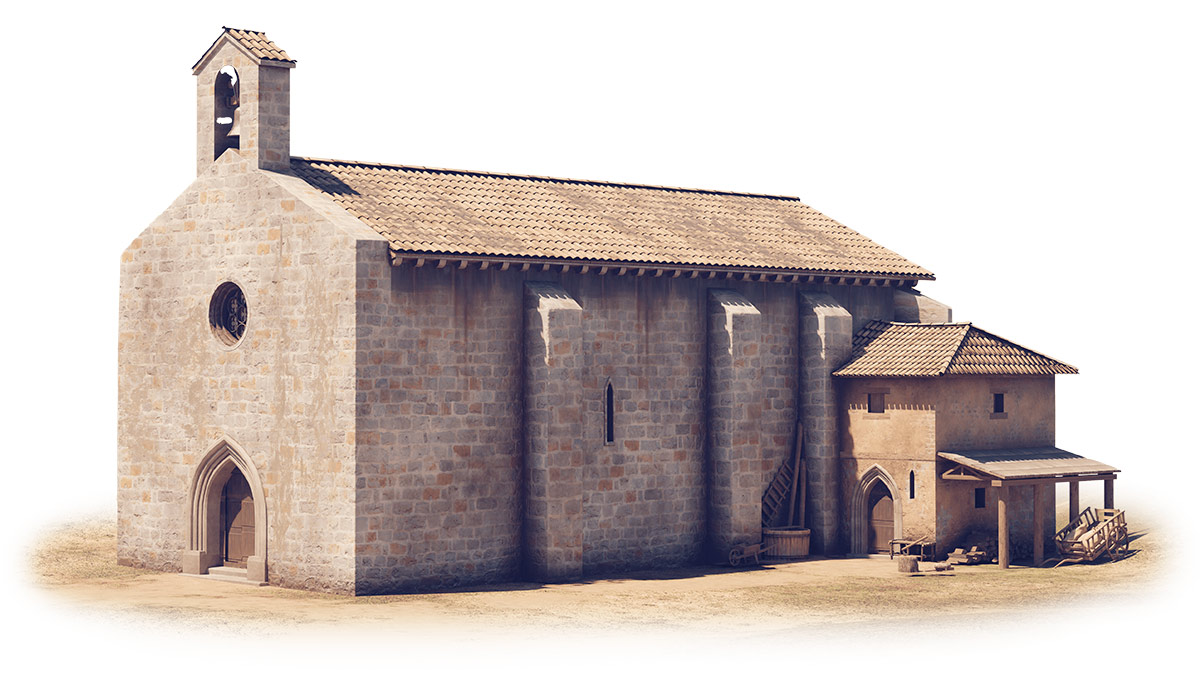
Hermitage of the Virgin del Pero
This site allows visitors to explore several centuries of history in a single place. The Hermitage of the Virgin del Pero originated as a medieval religious building and, over time, was reformed, reused, and transformed according to the needs of each period.
Through virtual reconstructions, you can discover its original architecture, the 17th-century reforms, and its conversion into a fortress during the First Carlist War. The images help visualise the damage suffered and explain why its location next to the Arga River was strategically important.
The visit offers a complete view of how a religious building became integrated into the defensive and social history of Peralta.