Bardenas Reales
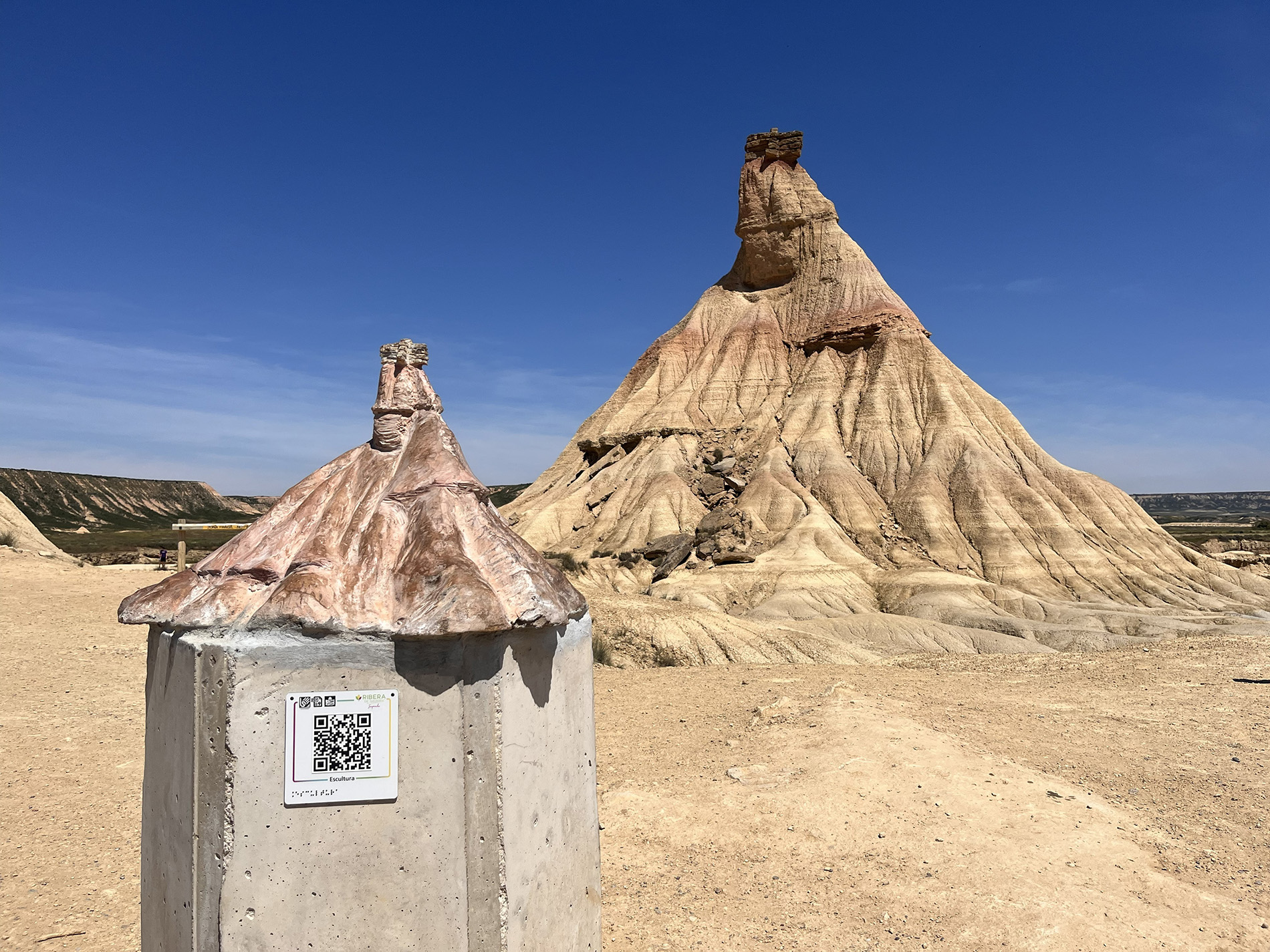
Visitor Centre and Castildetierra
LF/LSE/Braille/wheelchair/PDF/ Tactile maps
Aguilares Farm. Arguedas.
Tel: + 34 948 830 308
This is the starting point before you begin your visit to the Bardenas Reales, where you will be given all the information you need to enjoy your visit. The building has an accessible toilet and an area that recreates the ecosystem of the Bardenas.
From here, head to Castildetierra, the most photographed natural monument and the image featured on the Bardenas Reales logo. As well as information panels in an accessible format, you’ll find a sculpture shaped like this natural gem, created by the artist Mapi Gutierrez.
Accessible resources
Castejón – Castejón Museum
Location: Plaza España. Castejón F/LSE/Braille/wheelchair/PDF/Tactile maps)
Tel: +34 948 770 065
https://www.castejon.com/museo-de-castejon/
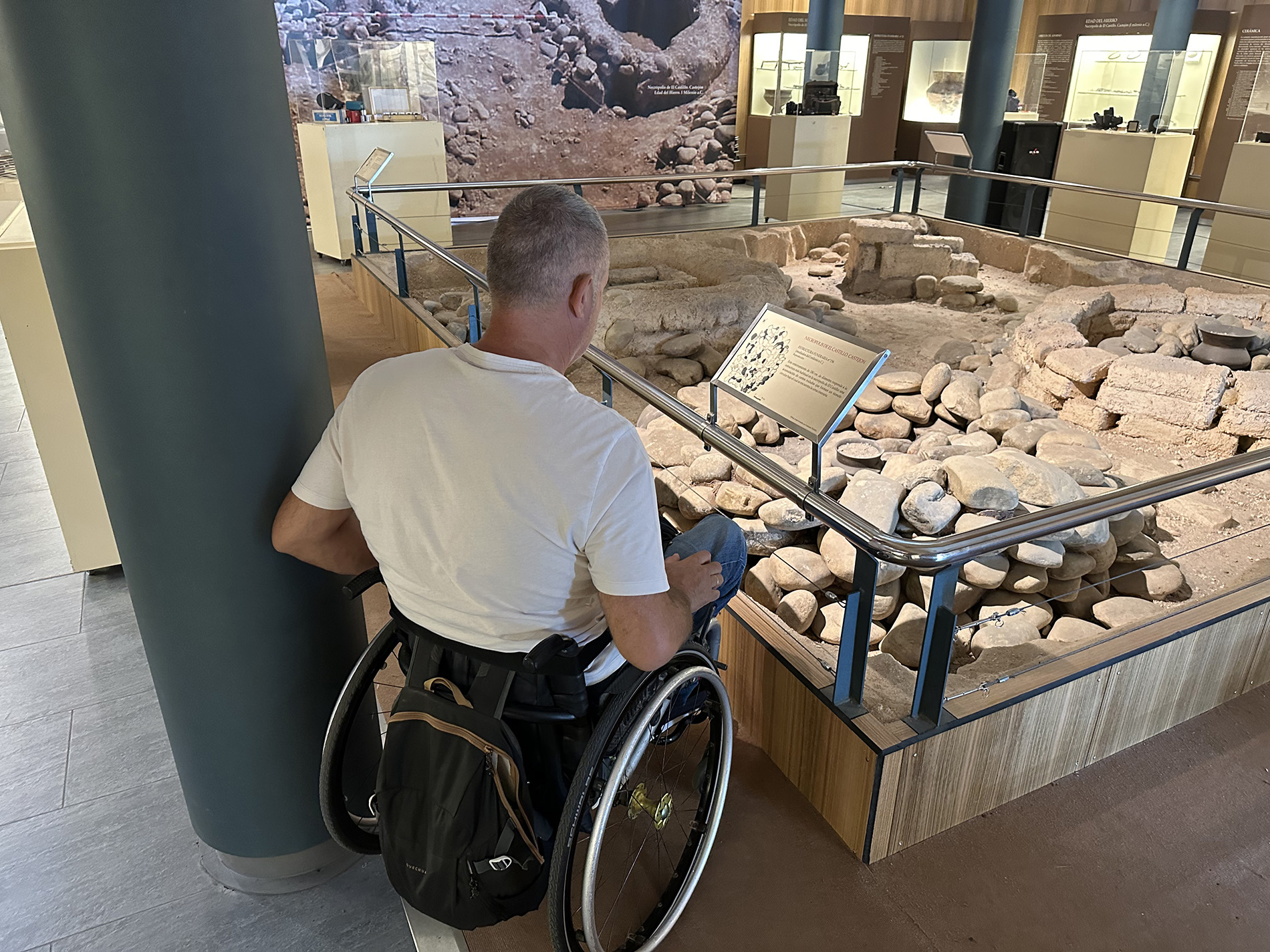
This mixed-use museum takes you on a journey through the history of Castejón, from the Iron Age to the Railway Era.
On the ground floor, you will admire archaeological remains from a necropolis and a Roman settlement. The rest of the museum is dedicated to the railway and its importance in Castejón, featuring a rich collection of historical artefacts. You can touch some of these items as there are two tactile maps.
Throughout the galleries, you will find tactile maps and QR codes with information in an inclusive format, marked with tactile paving. The building has a lift and accessible toilets.
Accesible Resources
Tudela – Admiral’s House
Location: C/ Rúa 13. Tudela. (LF/LSE/Braille/wheelchair/PDF)
Tel: + 34 948 825 868
https://fundacionmariaforcada.com/la-casa-del-almirante/
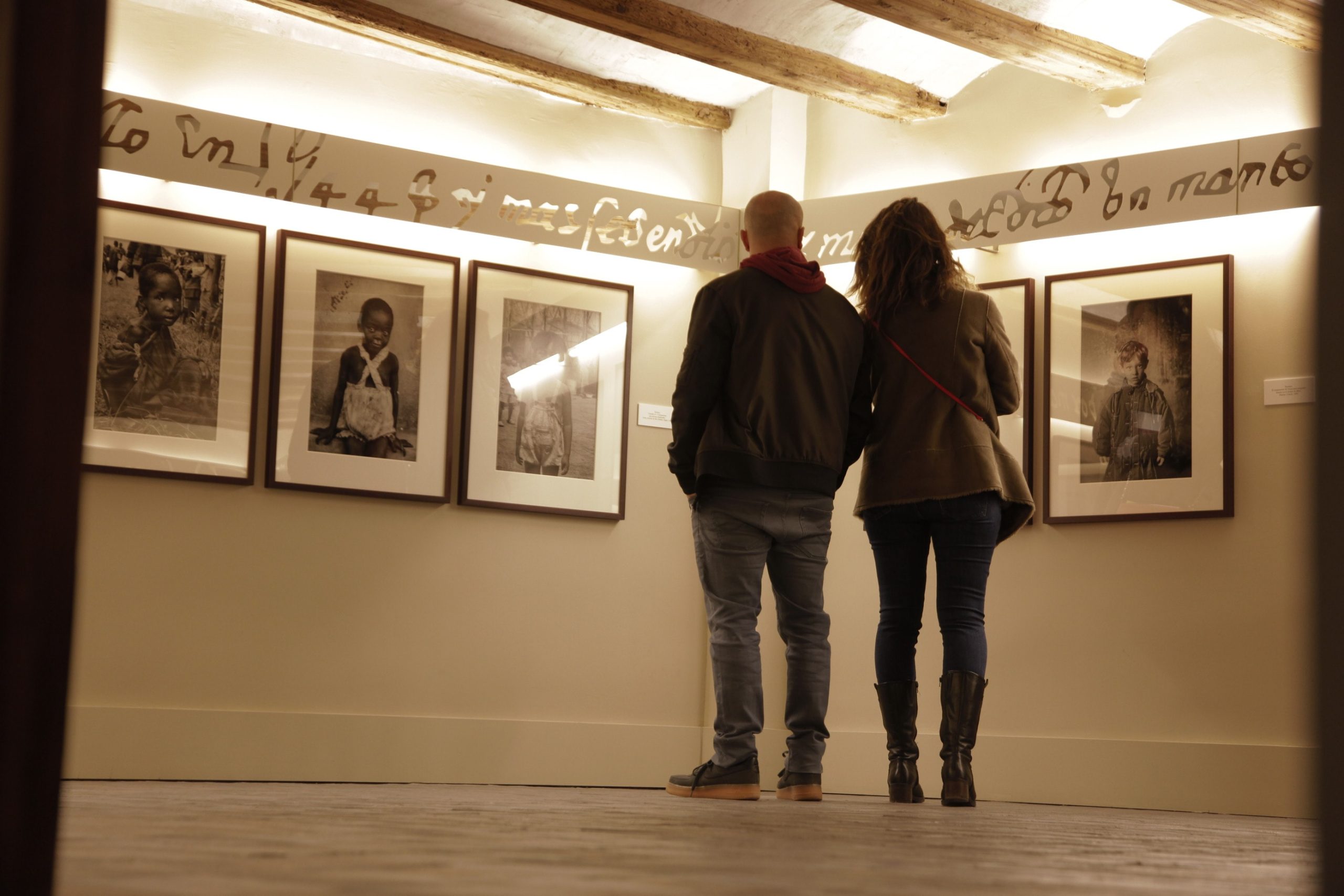
A notable 16th-century Renaissance palace. It is currently the headquarters of the María Forcada’s Foundation and serves as a venue for numerous cultural activities in the city of Tudela.
This three-storey building is equipped with a lift, allowing you to explore its marvellous carved doors, its intriguing central courtyard crowned by a light sculpture by the artist Belén Esparza, and its grand original Renaissance-style staircase.
At five points along the route, you will find QR codes, marked on the ground with tactile paving. Each of these QR codes links to information about the building’s history and interesting facts in accessible formats. The building has an accessible toilet.
Accesible Resources
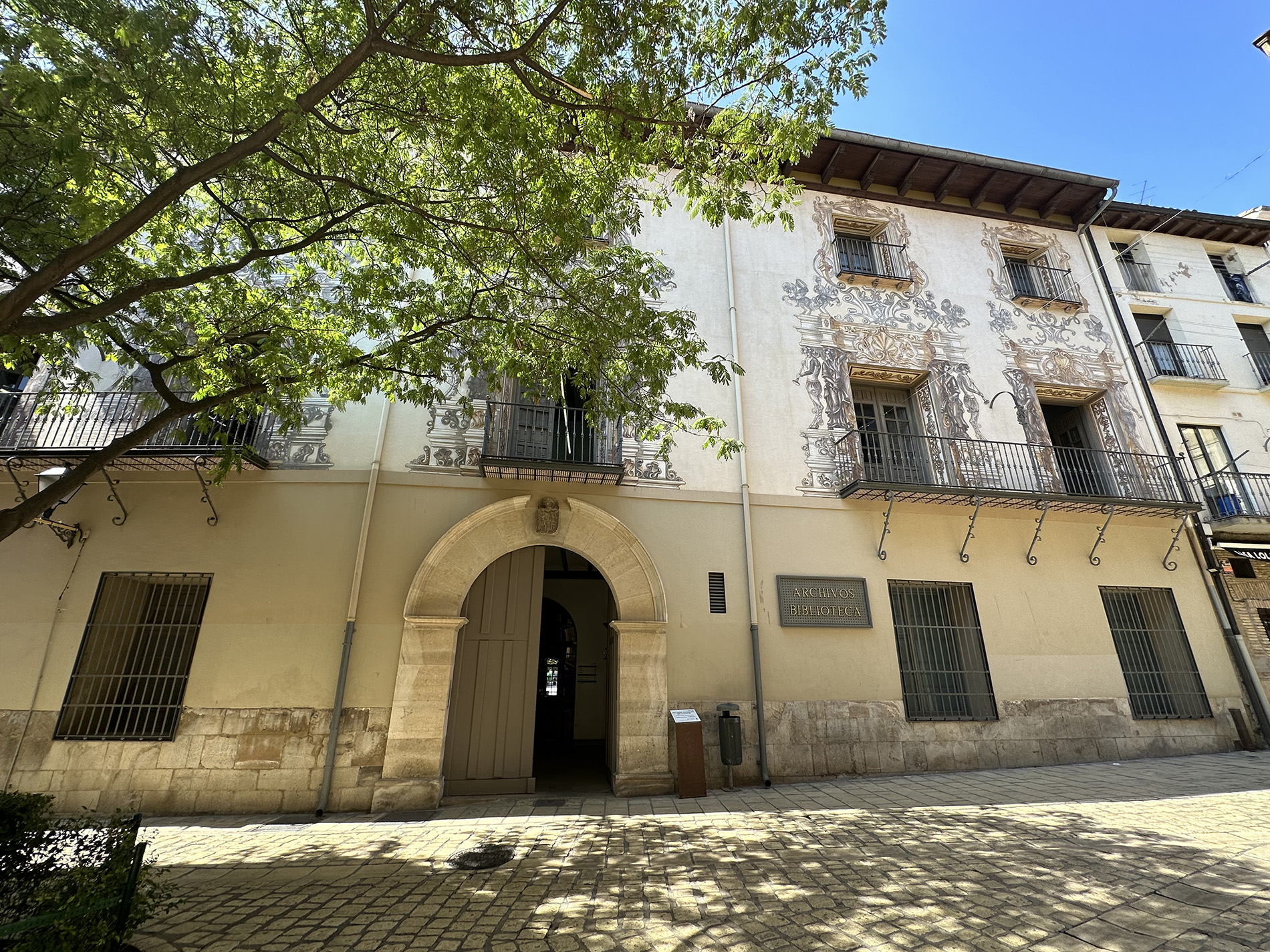
Tudela – Marqués de Huarte Palace
Location: C/ Herrerías 14. Tudela (LF/LSE/Braille/wheelchair/PDF)
Tel: + 34 948 848 058
This 18th-century Baroque gem houses Tudela’s Municipal Library and Archives.
It is notable for its double imperial staircase, considered the most beautiful in Navarre, as well as for the frescoes on its exterior facades. The ground floor houses a small but interesting museum, the highlight of which is the carriage of the Marquises of San Adrian.
Most of the visit takes place on the ground floor, where you will find several points marked with tactile paving to indicate that you are standing in front of a QR code containing information in accessible formats. If you prefer, you can also go up to the upper floors as there is a lift. The building has an accessible toilet.
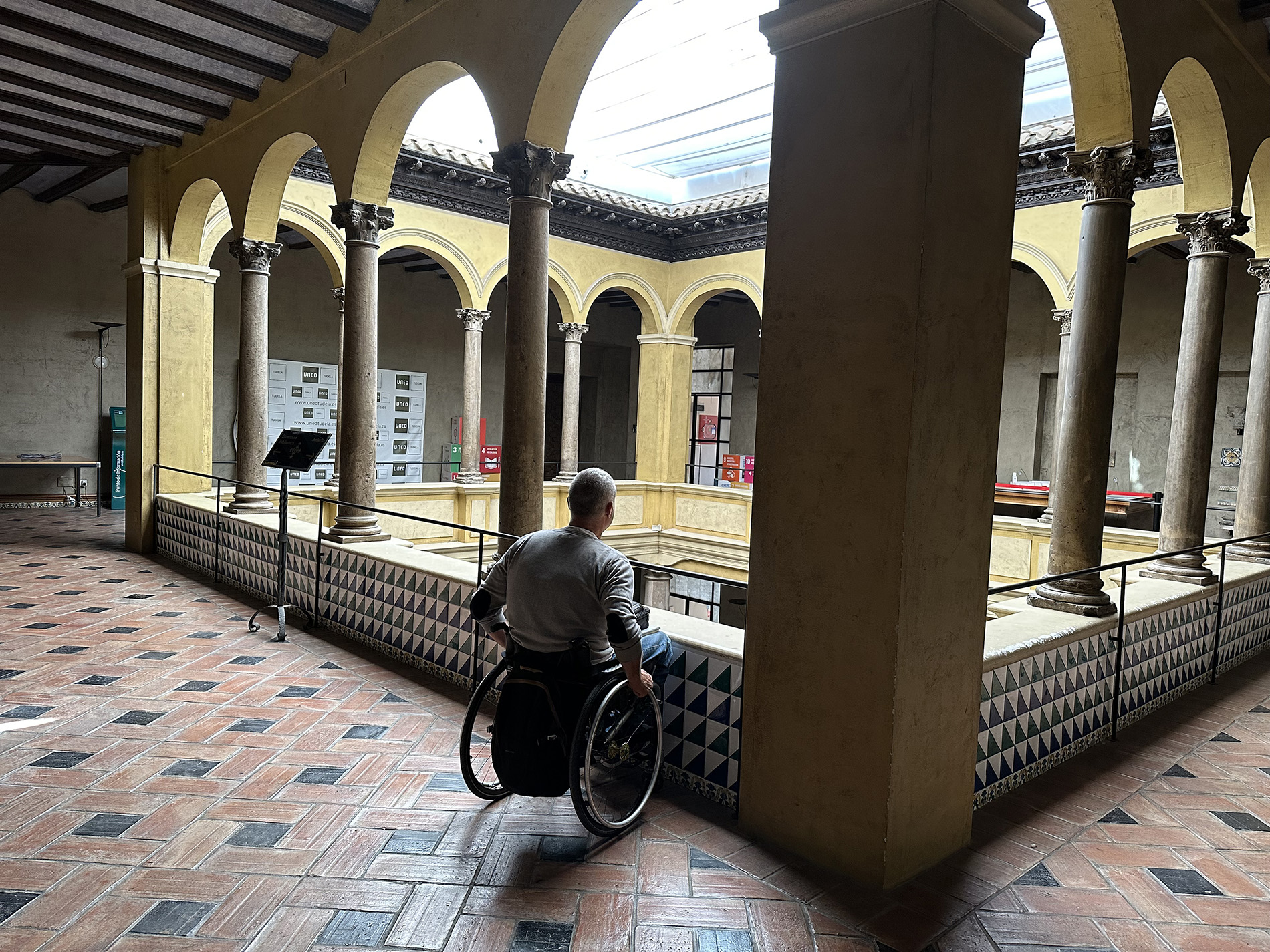
Tudela – Marqués de San Adrián
Location: C/ Magallón 7. Tudela. (LF/LSE/Braille/wheelchair/PDF)
Tel: +34 948 848 058
This 16th-century Renaissance palace has served various purposes over the years. It was once the residence of the Marquises of San Adrián, a military barracks and a municipal archive, and today it is the UNED headquarters.
The entire building is organised around a light-filled courtyard with two-storey galleries, connected by a grand staircase decorated with grey-toned paintings known as ‘Grisallas’, depicting illustrious women.
At the entrance you will find a tactile map and, along the route, four QR codes with information in accessible formats. The building has a lift and accessible toilets.

Tudela – Vegetable garden Visitor Center
Location: Paseo del Cristo 89. Tudela (LF/LSE/Braille/wheelchair/PDF/ Tactile Map)
Tel: +34 948 826 367
Web/mail: molinar@centrocivicostudela.com
Located in the Molinar building, this space is dedicated to showcasing the horticultural tradition of the Ribera de Navarra and its inhabitants, through an interesting collection of tools and original photographs.
Educational and cultural activities are organised here, making it a meeting point for those wishing to learn about the horticultural heritage of the Ribera de Navarra.
The building has four floors, and on each one you will find several locations with QR codes linking to inclusive content, three interactive stations with antique tools, as well as tactile maps and tactile paving. The building has a lift and accessible toilets.
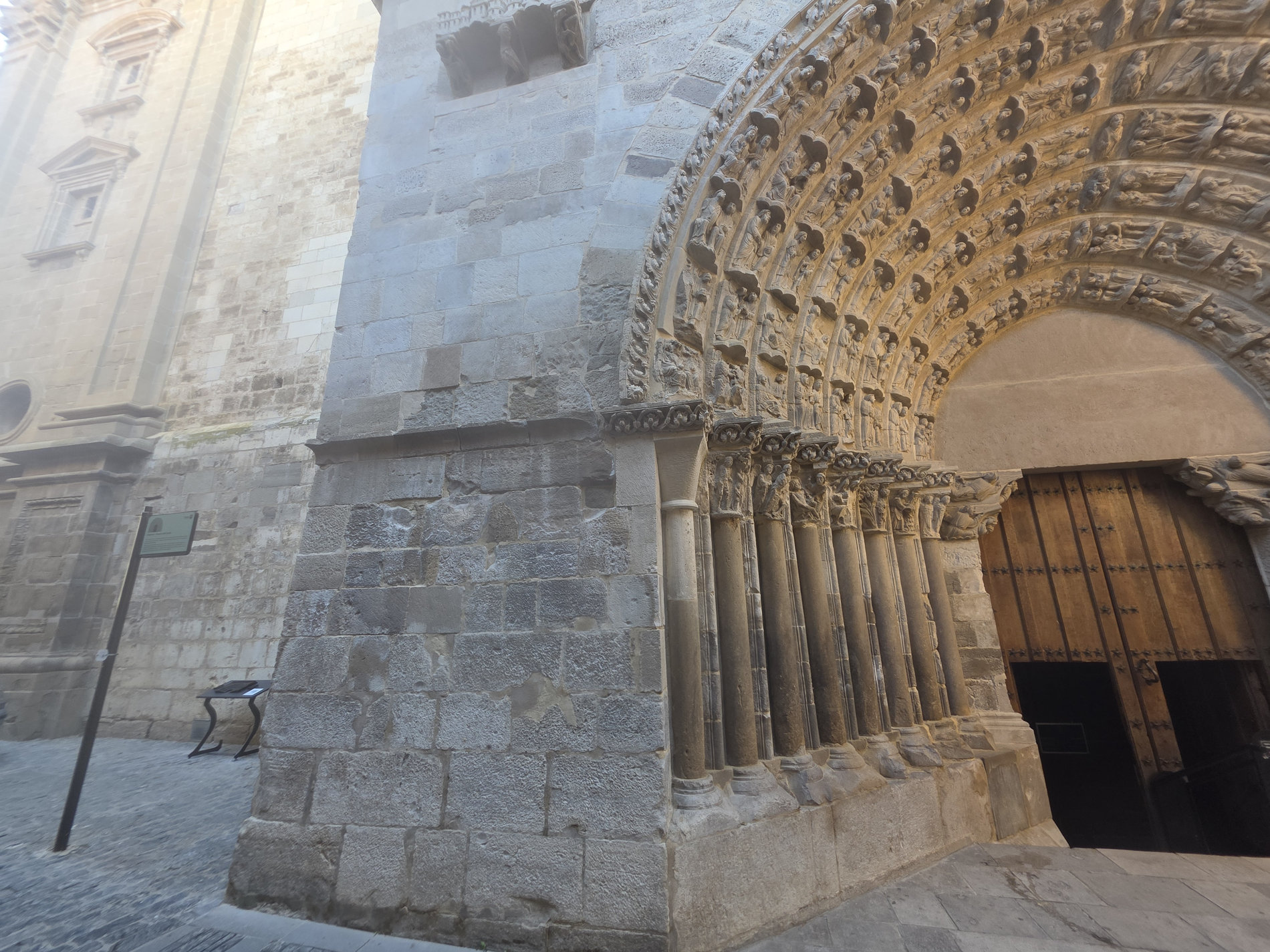
Tudela – The Door of the Day of Judgement
This sculpture depicts the Door of Judgement at Tudela Cathedral, one of the most outstanding Romanesque portals in Navarre. Through this reproduction, visitors can appreciate the rich sculptural and symbolic detail of its reliefs, which depict scenes and figures linked to the Christian tradition. Its meticulous composition makes this portal one of the great treasures of Tudela’s historical and artistic heritage.
Accesible Resources
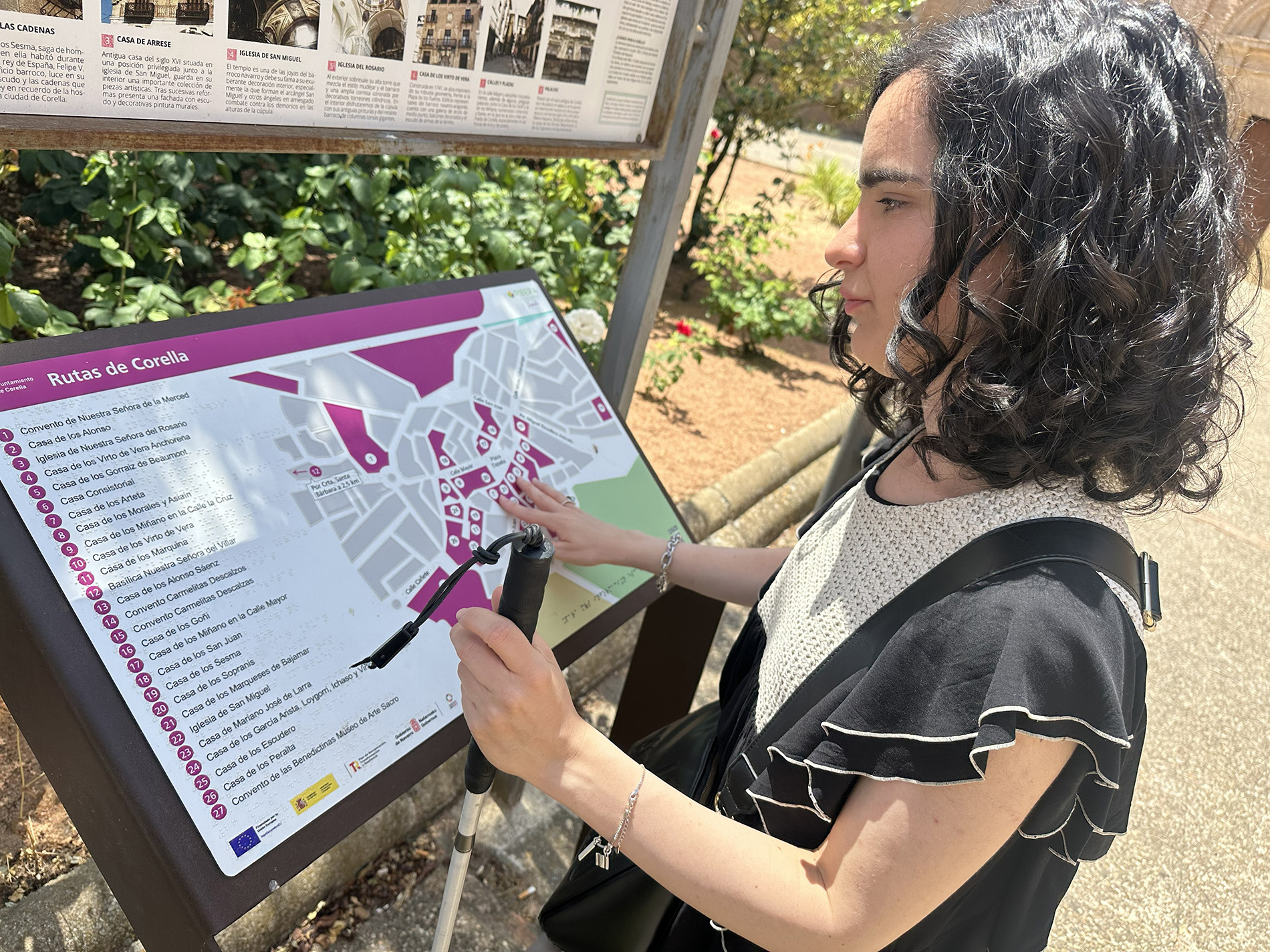
Corella
The “Hidalga and Baroque” and “Parishes and Convents” tours
Tel: + 34 611 098 776
On these routes through the old town of Corella, you can discover the town’s 20 most iconic noble houses and seven religious buildings. On each facade, you will find a QR code in raised relief and Braille that links to inclusive digital content.
The entire itinerary is marked on Google Maps via this digital route to make it easier to follow.
Accesible Resources
Cortes de Navarra
Cortes Castle Gardens
Tel: +34 676 381 563
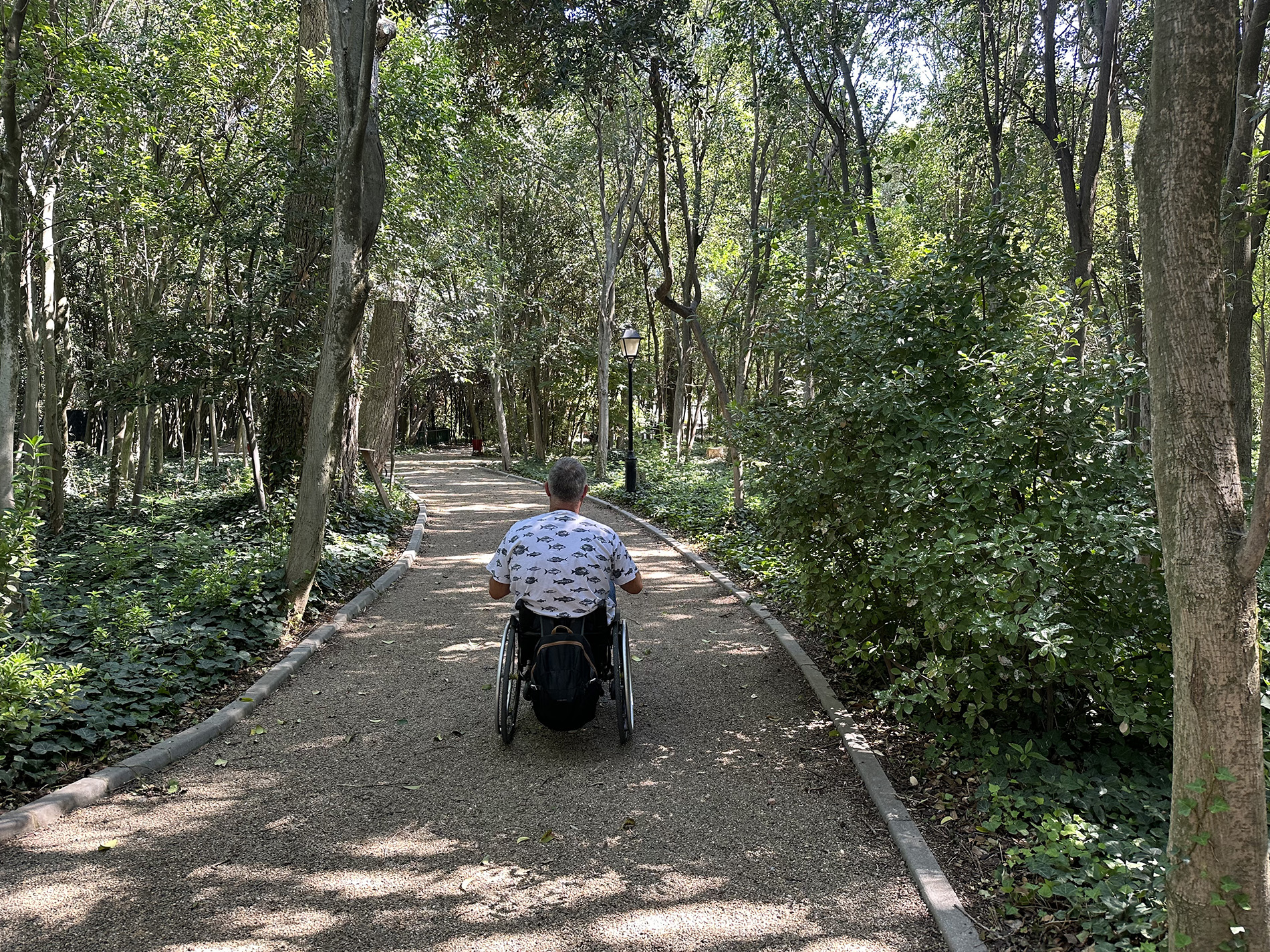
This natural gem in the Ebro Valley is home to over 90 different plant species and covers almost 30,000 m² in the former gardens of Cortes Castle.
You can enjoy pleasant walks along its many paths and learn about the history of this place via the QR codes found on the tactile maps at the two entrances to the grounds. The park also has accessible toilets.
Accesible Resources
Fitero – Monastery of Santa María la Real
Location: Barrio Iglesia s /n. Fitero
Tel + 34 948 776 600
Founded in the 12th century, it is considered one of the first Cistercian monasteries on the Iberian Peninsula.
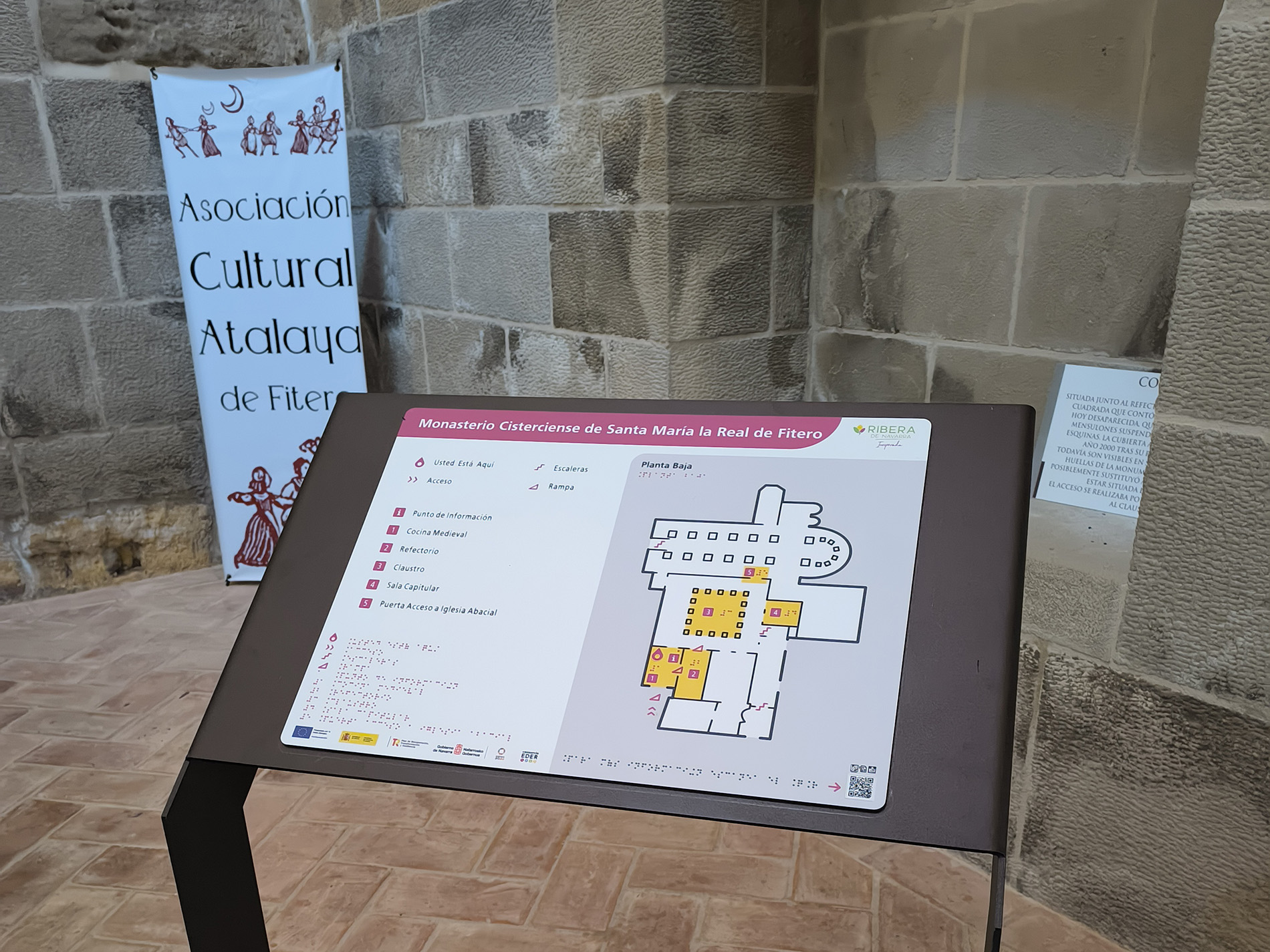
The refectory, cloister and chapter house are barrier-free spaces. The tour ends at the church, the entrance to which is not accessible to people with reduced mobility. Along the route, you will find six QR codes with inclusive content and a replica of the Column of Charles V.
Marcilla Castle
Location: Plaza la Cava, 1,1o, 31340 Marcilla, Navarra
Tf Townhall: +34 948 75 70 31
E-Mail: ayuntamiento@marcilla.es
Culture: +34 948 713 545
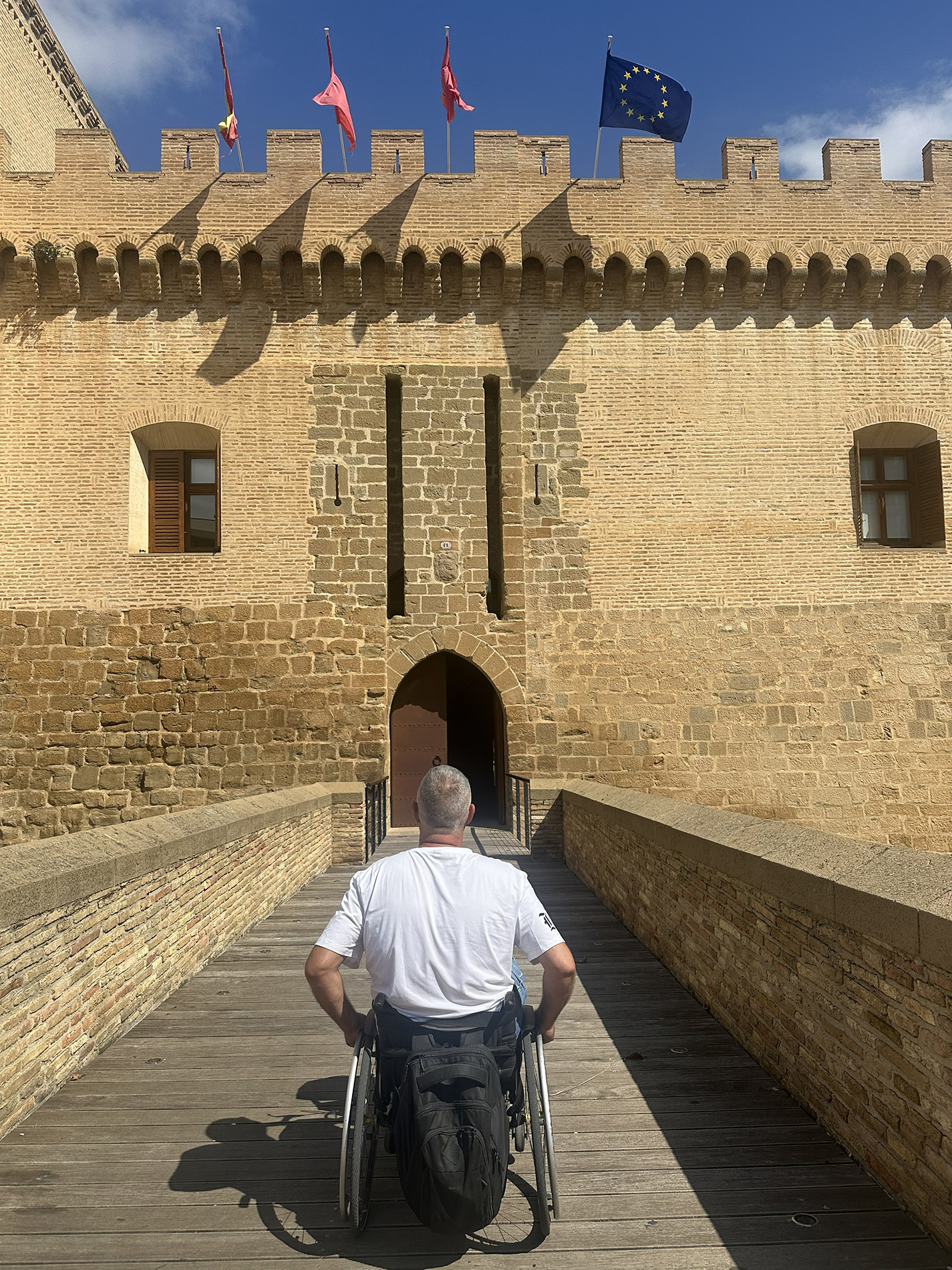
Marcilla Castle offers a guided tour designed to enable everyone to discover its history on an equal footing, incorporating accessible resources throughout the entire route.
At the eight main points of interest, the guides’ verbal explanations are complemented by plaques featuring QR codes in raised lettering and Braille, providing access to content in accessible PDF format, Easy Read, and sign language narration with subtitles. In addition, the Easy Read information is also available in printed format at each point.
The experience is rounded off with tactile books featuring raised-relief images and audio description for people with visual impairments, and a bronze model of the castle in the parade ground, which allows visitors to understand its shape and structure through touch.
Accesible Resources
Inclusive Baroque Route (Villafranca)
Location: Villafranca Townhall
Plaza de España, 1, 31330 Villafranca, Navarra
Tf: +34 948 845 006
www.villafranca.es
Villafranca invites you to discover its heritage through the Inclusive Baroque Route, a tour designed so that everyone can enjoy it without barriers.
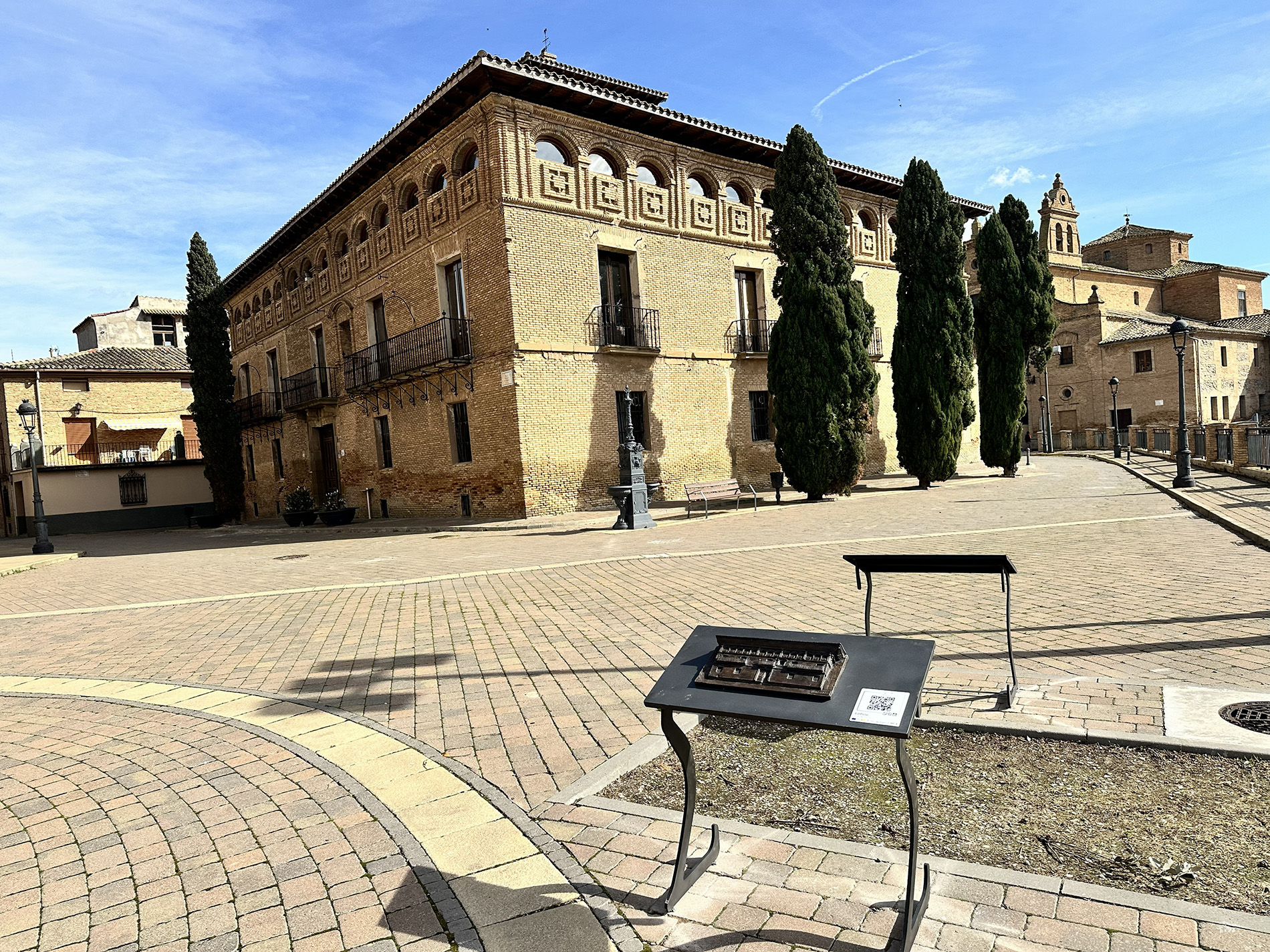
The experience begins at the Ermita del Portal, where a tactile map in high relief and Braille, featuring pictograms and QR codes, allows visitors to plan their visit in advance and access content in Sign Language, accessible PDF format and Easy Read. The route, which is comfortable and suitable for walking or wheelchair users, takes in eight Baroque buildings with QR codes that facilitate access to content in inclusive formats.
The itinerary also includes four tactile maps featuring sculptures representative of the Baroque period — the ‘Real de a 8’ coin, the fan, the yoke and a Baroque facade — which can be explored by touch. It is rounded off with an accessible panel depicting the altarpiece of the Parish Church of Santa Eufemia, featuring high relief and Braille.
The Azagra Boat
Location: https://maps.app.goo.gl/yDf752ouWQCLDQDA9
31560, Azagra, Navarra
Townhall: +34 948 692 042
Cultural Centre: +34 948 692 926
Welcome to the Azagra Boat.
For years, this traditional ferry enabled people to cross the River Ebro and connect both banks, forming an essential part of the town´s life and history. Today it is no longer in operation, but its memory lives on in this space. To find out more about its history, you can use a QR code to acces content in Easy-to-Read format, sign language and accesible PDF, choosing the format that best suits your needs. The space also has an accessible toilet, ensuring a comfortable visit for everyone.
Accesible Resources