Basilica of the Savior
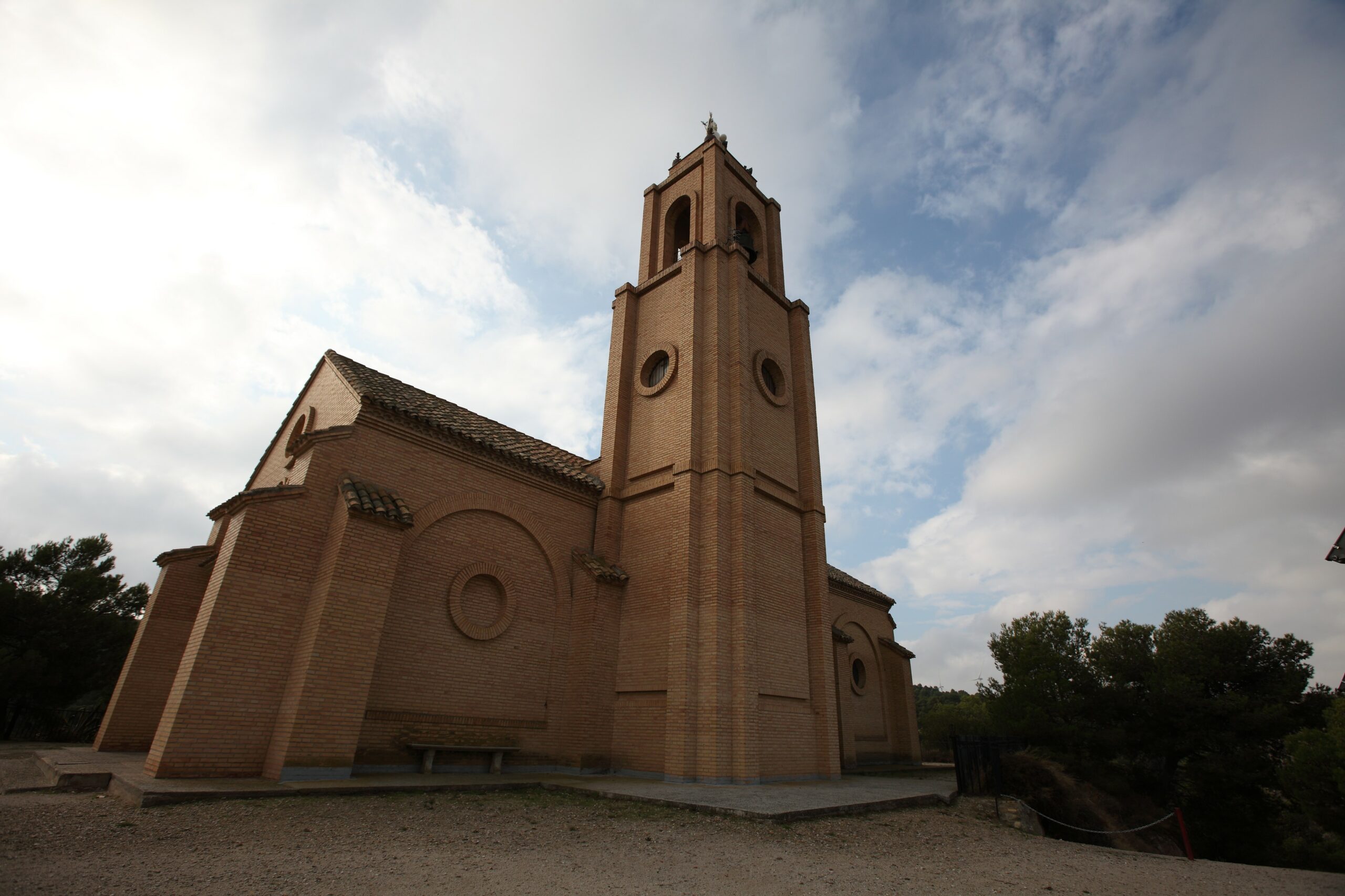
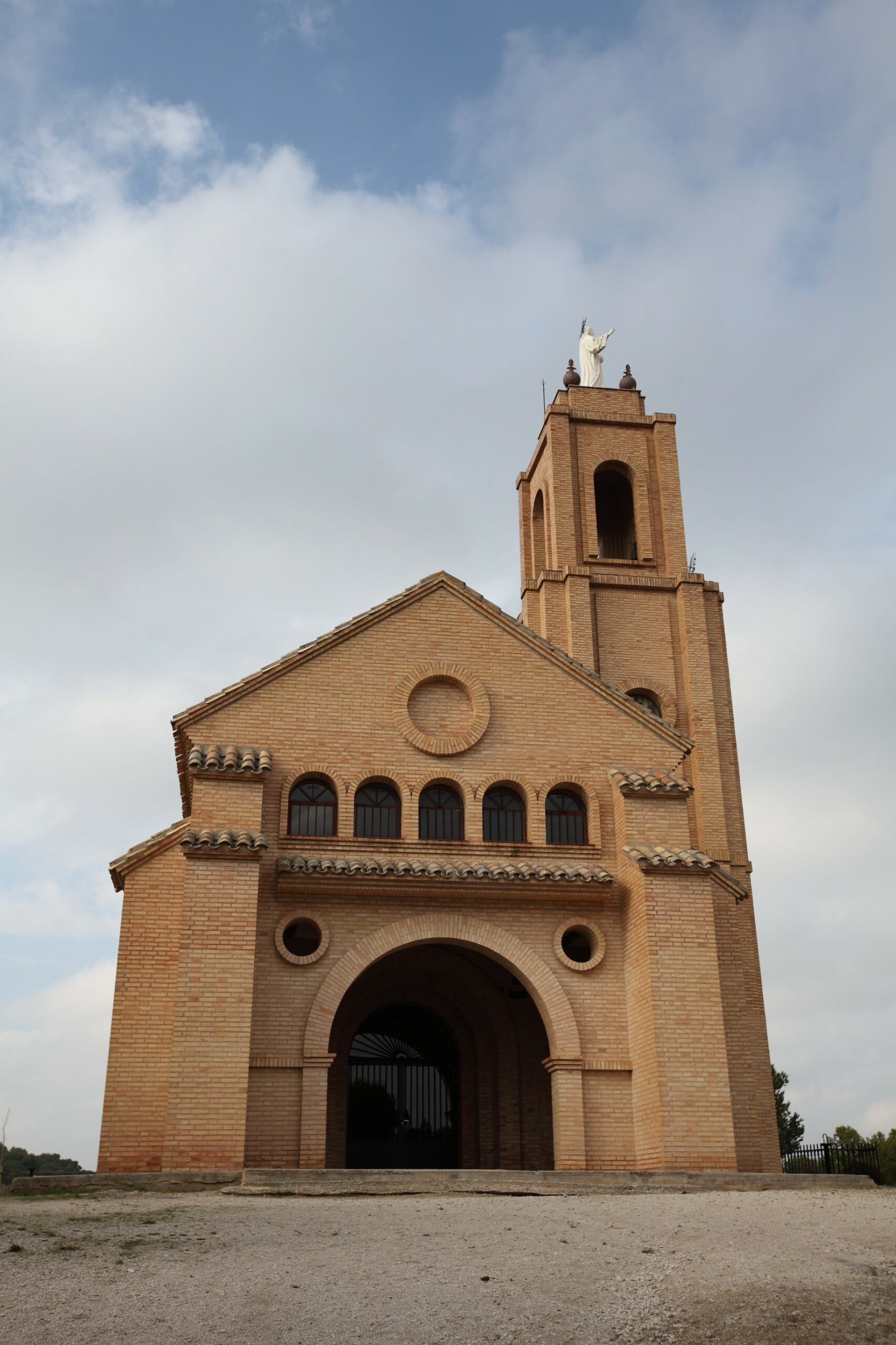
The Basilica of the Savior of the World stands at the top of the crag, in a spot that overlooks Falces and its surroundings. Its origins were probably linked to a watchtower of the castle in the 10th century, although four Gothic arches discovered after the demolition of the former basilica in 1978 point to an origin dating at least from the 13th century.
Tradition links this place to the legend of Saint Dominic of Silos: between 1025 and 1030, it is said that the cave beneath the hermitage was where the future saint lived before leaving to found his monastery. The first known document referring to San Salvador dates from 1366, when Charles II ordered the temple to be fortified because of its commanding position over the area.
The current building was constructed in 1980. Inside, the main feature is a Mannerist altarpiece from the first half of the 17th century, with panel paintings perhaps attributable to Juan Frías de Salazar, along with finely carved decorative figures. The basilica is also a place of popular devotion: during the festivities of the Savior of the World, patron saint of Falces, the image was carried up the slopes, and at Easter the Way of the Cross was followed, with traces of its fourteen crosses still visible.
Today, the Basilica of the Savior is not only a sanctuary but also an excellent viewpoint over Falces and the surrounding area, combining heritage, landscape and a walk through nature.